 Skip to main content


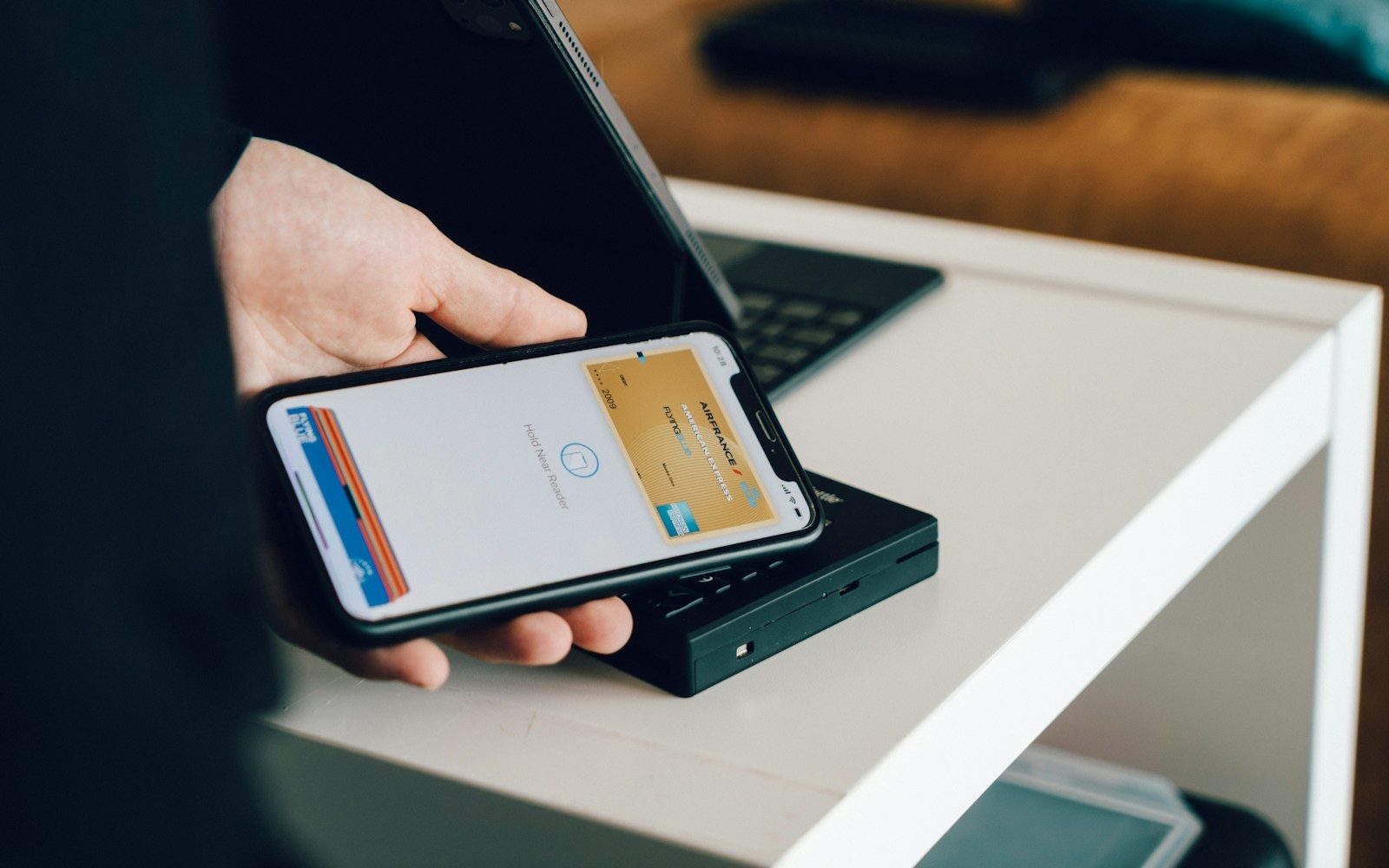
On June 4, 2026, the Qianhai Authority and five other bodies issued ten measures to make payments easier for overseas visitors in the Qianhai Cooperation Zone. The measures cover foreign card acceptance, cash and currency exchange, mobile payments and outreach, with subsidies for operators, and take effect on June 19 for one year.
Overview
Six bodies, namely the Authority of Qianhai Shenzhen-Hong Kong Modern Service Industry Cooperation Zone (the Qianhai Authority), the People's Bank of China Shenzhen Branch, the State Administration of Foreign Exchange Shenzhen Branch, the Shenzhen Municipal Foreign Affairs Office, the Shenzhen Municipal Commerce Bureau and the Shenzhen Local Financial Regulatory Bureau, issued the "Ten Measures to Optimize International Payment Services in the Qianhai Cooperation Zone" (Shen Qian Hai Gui [2026] No. 5) dated June 4, 2026. The measures aim to remove payment difficulties faced by overseas visitors when shopping, staying at hotels, using transport and sightseeing in Qianhai. They took effect on June 19 and are valid for one year. A policy explainer was published on the Shenzhen government website on June 8.
Background
Mobile payments are highly developed in China, while the use of bank cards and cash has declined, and some overseas visitors used to cards or cash have found the environment difficult to adapt to. In March 2024, the General Office of the State Council issued guidelines on further optimizing payment services (Guo Ban Fa [2024] No. 10), calling for key merchants to accept foreign cards, more currency exchange points, ATM withdrawals of renminbi with foreign cards and more user-friendly mobile payments. In the same month, Shenzhen adopted a work plan to build a citywide payment demonstration zone focused on four scenarios: shopping, accommodation, transport and tourism. The Qianhai Authority drafted the new measures after benchmarking practices in Hong Kong, Singapore, Beijing and Shanghai and surveying financial institutions, commercial districts, hotels and tourist sites.
Key Points
The ten measures fall into four groups.
- Everyday consumption (Measures 1-3): Commercial districts are encouraged to apply for "Shenzhen Convenient Payment Commercial District" status, with the goal of full coverage of foreign-card POS terminals at key merchants. International payment service corners will offer dedicated staff, help with downloading and activating payment apps, and change for cash payments.
- Cash and currency exchange (Measures 4-6): Banks are to add ATMs that accept foreign cards, currency exchange machines and self-service machines that issue digital renminbi hardware wallets in commercial districts, hotels and tourist sites. Hotel currency exchange will be promoted, and banks will be asked to stock banknotes of currencies commonly used in APEC economies.
- Mobile payments (Measures 7-8): Qianhai payment institutions are encouraged to partner with e-wallets from APEC economies so that visitors can pay by scanning codes at domestic merchants without downloading apps such as WeChat. Benchmark smart payment scenarios using palm and facial recognition will also be developed.
- Outreach (Measures 9-10): Chinese-English hand-drawn maps and payment guides will be produced, the "Pengcheng Yihui" currency exchange mini-program will be promoted, and information will be shared through airports, travel agencies and aircraft cabins.
| Support item | Amount |
|---|---|
| Operators of districts listed as Convenient Payment Commercial Districts | One-time 300,000 yuan |
| Operators of new currency exchange points | One-time 500,000 yuan |
| Providers of smart payment scenarios (at least three palm or facial recognition applications) | 50% of actual investment, up to 1 million yuan per company |
The measures also include tap-in entry at subway gates with foreign bank cards and digital renminbi hardware wallets, as well as payment training for tour guides.
Implications for Japan-Shenzhen Exchange
For Japanese business travelers and tourists visiting Shenzhen, how to pay locally has long been a topic of interest. Wider acceptance of foreign cards and more exchange points are likely to ease the burden of business trips, study tours and trade fair visits. If partnerships with overseas e-wallets materialize, convenience for visitors could improve further, and progress in this area is drawing attention. For companies based in Qianhai and businesses serving visitors, keeping track of these changes is also likely to be useful.
Outlook
The measures are valid for one year from June 19, 2026, and the Qianhai Authority handles applications and reviews for the subsidies. Which districts and operators will receive support, and how far partnerships with overseas e-wallets will go, have not yet been made clear. Separately, the Shenzhen government's English website reported on July 1 that Shenzhen Metro would accept international bank cards at its fare gates.
From the Association
The Association will continue to gather information on changes that may help Japanese visitors to Shenzhen. We will also keep providing a platform for sharing information so that travel and exchange between Shenzhen and Japan can proceed smoothly.
Sources
This article is based on publicly available information and is provided for reference only; accuracy and completeness are not guaranteed.