 Skip to main content


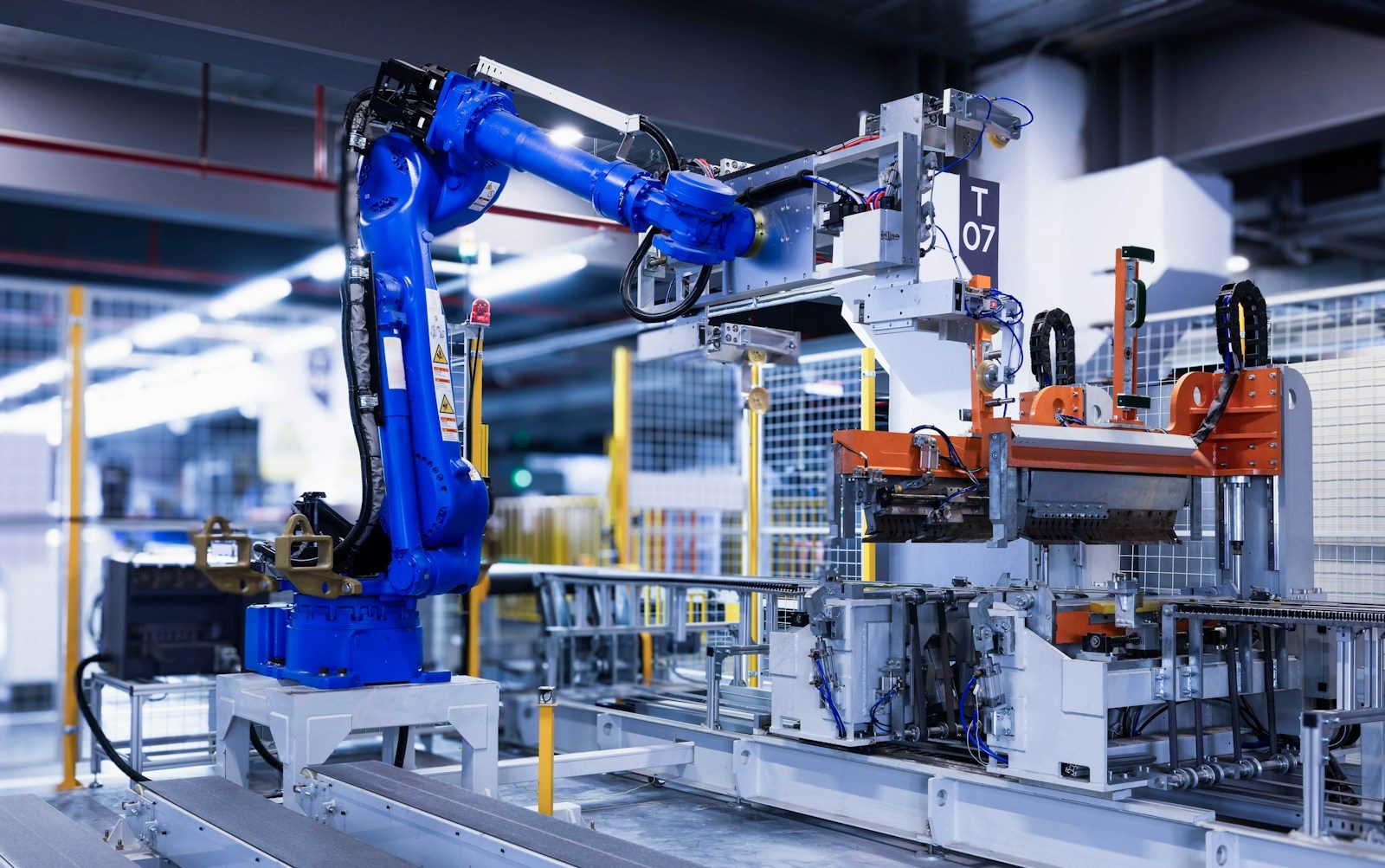
On May 27, 2026, JETRO announced that Shenzhen Shiwei Automation, a maker of automated production lines, has established a Japanese subsidiary in Nagoya, Aichi Prefecture. The company aims to strengthen ties with Japanese customers in the Chubu region, improve after-sales support and help Japanese manufacturers build smart factories.
Overview
On May 27, 2026, the Japan External Trade Organization (JETRO) announced that Shenzhen Shiwei Automation Co., Ltd. ("Shiwei"), a company headquartered in Shenzhen, China, has established a Japanese subsidiary in Nagoya, Aichi Prefecture. The subsidiary was set up in September 2025 with support from JETRO's Invest Japan Business Support Center (IBSC). Shiwei supplies non-standard automation equipment and automated production lines to industries including automotive parts, electronic components and electric vehicles (EVs).
Background
Founded in Shenzhen in 2006, Shiwei is recognized in China as a National High-Tech Enterprise. Its business covers the design, manufacture and sale of factory automation (FA) equipment, automated production lines and peripheral devices, together with maintenance and modification services, giving it an integrated, end-to-end offering. The company has been expanding abroad: it opened bases in Thailand and Mexico in 2023 and plans to establish another base in Indonesia.
Shenzhen is known for its industrial clusters in electronics, EVs and batteries, and it has also nurtured many equipment makers that support these manufacturers. As customers expand overseas and the competitive environment changes, localization, meaning sales and technical support provided close to overseas customers, appears to be spreading among equipment and component suppliers as well. The Chubu region centered on Nagoya, meanwhile, is one of Japan's leading manufacturing hubs, anchored by the automotive industry, and its factories are known for strong interest in automation and labor-saving solutions.
Key Points
- Location: Nagoya, Aichi Prefecture (subsidiary established in September 2025; announced by JETRO on May 27, 2026).
- Purpose: To strengthen relationships with major Japanese customers in the Chubu region, build a more responsive after-sales support system and expand sales and technical support in Japan.
- Business direction: The company says it will support smart-factory initiatives in Japan's manufacturing sector.
- Main target fields: Production lines for automotive parts, electronic components and EVs.
- JETRO support: The IBSC advised the company on incorporation matters such as company registration, visas, taxation and labor, and the company also used the IBSC facilities in Nagoya.
Implications for Japan-Shenzhen Exchange
This case suggests that Shenzhen companies entering Japan are no longer limited to consumer products such as smartphones and home appliances, but increasingly include business-to-business fields such as production equipment. For equipment makers, the ability to respond quickly to maintenance and modification requests after installation is directly tied to customer trust, so having a base close to customers is likely to be significant.
For Japanese manufacturers, the move may widen the range of options for sourcing automation equipment. At the same time, as Shenzhen companies work to meet the quality standards and business practices of Japanese customers, there may be more opportunities for engineers and staff on both sides to share know-how. The fact that the company used JETRO's support programs to set up its base is also drawing attention as a reference case for other Shenzhen firms considering entry into Japan.
JETRO's IBSC serves as a contact point for overseas companies considering a base in Japan, offering practical advice on registration, residence status, taxation and labor. Using public support from the preparation stage, as in this case, is seen as one way to reduce the burden created by differences in language and institutions. As companies from Shenzhen and Japan continue to enter each other's markets, demand for this kind of practical information is likely to keep growing, and cases like this one may help other firms plan their own expansion.
Outlook
JETRO's announcement did not disclose details such as the subsidiary's headcount or sales targets. How far the company's business with customers in the Chubu region will grow, and how extensive its technical support system in Japan will become, remain undecided at this stage.
From the Association
The Association will continue to follow the movements of Shenzhen companies entering Japan and collaborating with Japanese businesses. We will also continue our efforts to provide a platform where companies and stakeholders from Shenzhen and Japan can exchange information and deepen mutual understanding.
This article is based on publicly available information and is provided for reference only; accuracy and completeness are not guaranteed.