 Skip to main content


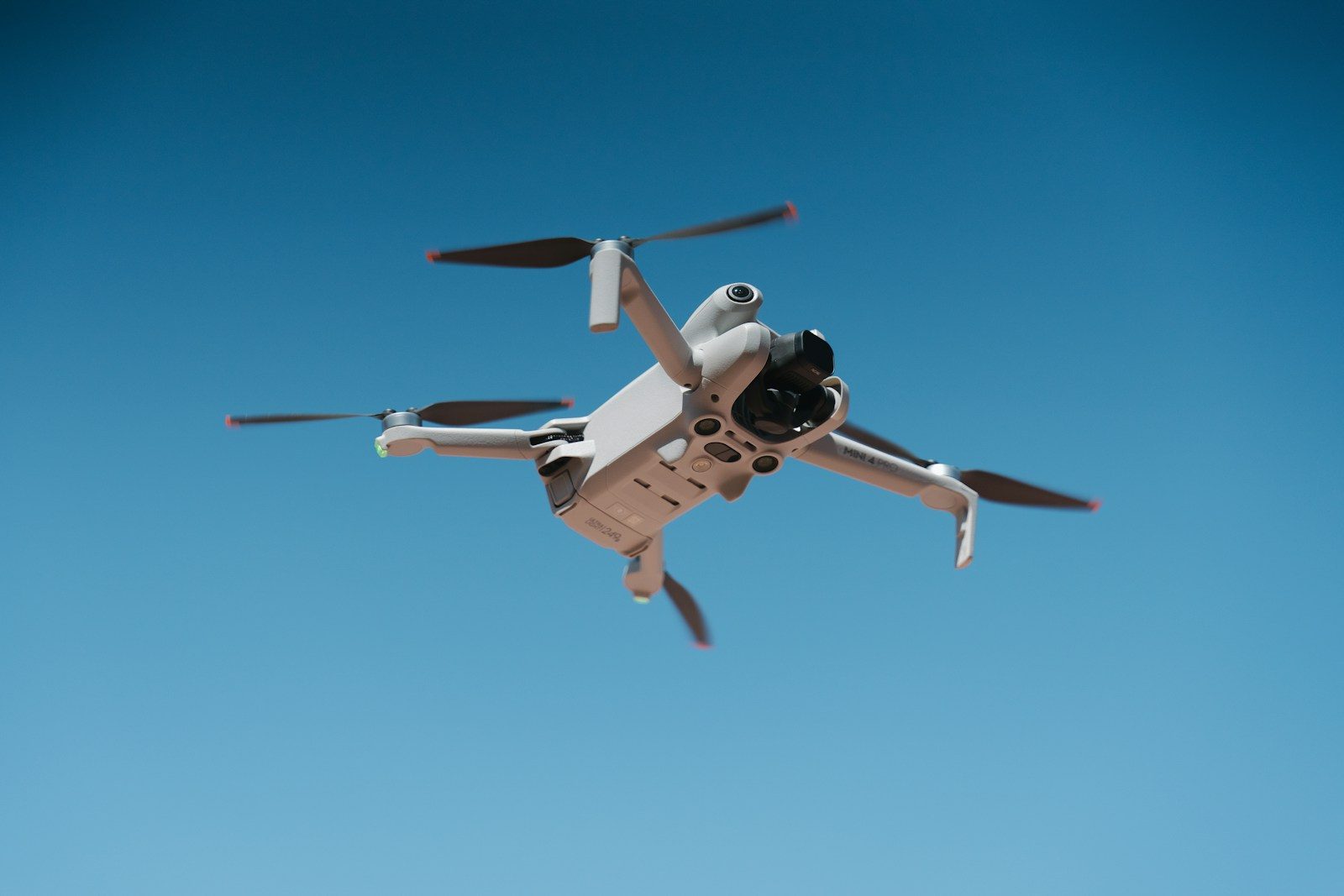
Shenzhen Special Zone Daily and other media reported on June 10, 2026 that airspace below 120 meters across Shenzhen is now open on a routine, citywide basis. Flyable airspace covers 75% of the city, 1,284 standardized take-off and landing sites have been built, and daily low-altitude flights exceed 2,700.
Overview
On June 10, 2026, IT Home, citing the Shenzhen Special Zone Daily, reported that airspace below 120 meters is now open on a routine, citywide basis in Shenzhen. Airspace suitable for flight covers 75% of the city's area, and central districts such as Futian, Nanshan and Luohu are fully included in routine flight management. The city has built 1,284 standardized take-off and landing sites, and low-altitude flights average more than 2,700 a day.
Background
In China, the "low-altitude economy", built on drones, electric vertical take-off and landing aircraft (eVTOLs) and related services, has been positioned as a new growth sector, and many localities have introduced supporting policies. Shenzhen is home to DJI, the world-leading drone maker, and was an early mover in pilots and commercial services in logistics, tourism and inspection. According to the report, the citywide opening breaks with the earlier pattern of many restricted zones and limited use cases, and signals that the low-altitude economy is moving beyond a demonstration phase driven by single policies.
Key Points
| Item | Details |
|---|---|
| Scope | Below 120 meters, routinely open across the whole city |
| Flyable airspace | 75% of the city's area |
| Take-off and landing sites | 1,284 standardized sites |
| Monitoring infrastructure | Nearly 10,000 5G-A integrated communication and sensing base stations |
| Flights | More than 2,700 per day on average |
| Companies | More than 1,900 upstream and downstream firms |
- Logistics routes: Phoenix Wings (Fengyi Technology) and Meituan's Shenzhen operation have opened 310 intra-city low-altitude cargo routes and 8 dedicated inter-city routes.
- Routine services: Delivery of emergency medicines and medical devices, fresh food to residential communities, meals to office buildings and emergency supplies in parks has become routine.
- Industrial base: Shenzhen is said to have the world's most complete drone supply chain, with core components available within one hour. It leads in both consumer and industrial drone manufacturing, with DJI, Phoenix Wings and Eastern General Aviation cited as leading companies.
Implications for Japan-Shenzhen Exchange
In Japan, interest in drones is also growing, driven by labor shortages in logistics, delivery to depopulated areas and infrastructure inspection. Shenzhen's large-scale operation of low-altitude flights in an urban setting is drawing attention as a possible reference for Japanese local governments and companies in areas such as airspace management, take-off and landing infrastructure and monitoring systems. Shenzhen's supply chain, which spans components to finished aircraft, also appears to offer potential for collaboration with Japanese component and materials makers and service providers. At the same time, regulations and safety standards differ between countries, so any practical cooperation would likely require careful attention to each side's rules.
A distinctive feature of Shenzhen's approach is that, in addition to building hardware such as flight routes and take-off and landing sites, it has established an integrated air-space-ground monitoring system using 5G-A base stations. Because routine operations now take place in fields close to daily life, such as logistics, healthcare and food delivery, Shenzhen's experience appears to be attracting interest at home and abroad as an example of the low-altitude economy moving from the pilot stage to practical use. On the industrial side, a cluster of more than 1,900 upstream and downstream companies has formed, and Shenzhen's operational data and management experience may serve as a useful reference for overseas companies and institutions seeking to understand business models in the low-altitude economy.
Outlook
The report did not cover detailed safety management rules following the citywide opening, nor a timeline for passenger services using crewed eVTOLs. How issues such as noise, privacy and accident-response rules will be addressed as flight volumes grow will also be points to watch.
The development of related systems, such as aircraft certification, insurance and the training of pilots and operations staff, is also likely to affect the pace of industry growth. For Japanese companies and local governments, keeping track of these institutional developments alongside the technology is likely to be useful.
From the Association
The Association will continue to share information on new industries in Shenzhen, including the low-altitude economy. We will also continue working to create opportunities for companies and stakeholders from Japan and Shenzhen to exchange technology and know-how.
Sources
This article is based on publicly available information and is provided for reference only; accuracy and completeness are not guaranteed.