 Skip to main content


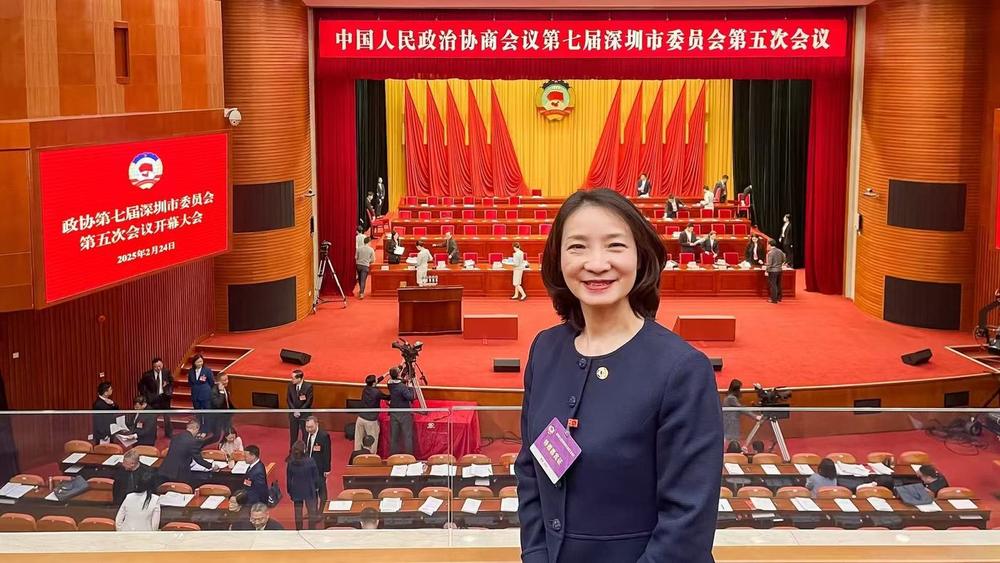
◆ Wu Xiaole, Executive Vice President, Japan Shenzhen Economic, Trade and Cultural Promotion Association
In recent years, Shenzhen, a frontline city of China's reform and opening-up, has not only achieved remarkable success in technological innovation and private-sector development, but has also increasingly become a land of opportunity for companies worldwide, especially small and medium-sized enterprises (SMEs). However, when Japanese companies are mentioned, many people tend to think of deep-pocketed multinational giants, overlooking the important role Japanese SMEs play in global industrial chains. In fact, Japanese SMEs are renowned for technological innovation and lean management, but in the course of internationalization they often face challenges such as limited resources and difficulty in developing markets. Shenzhen should therefore actively establish incubators for Japanese SMEs, helping them integrate deeply with Shenzhen's industrial strengths to achieve mutual benefit and win-win results.
As a powerhouse of China's private economy, Shenzhen has in recent years provided strong support to private enterprises through a series of policy and service innovations. From attracting talent to securing labor, and from startup services to skills training, Shenzhen has built a comprehensive, multi-layered ecosystem for private-sector development. For example, the Shenzhen Municipal Human Resources and Social Security Bureau, through initiatives such as the "Spring Breeze Campaign" and "Private Enterprise Service Month," has created efficient matching platforms for companies and job seekers, greatly easing companies' labor shortages. In addition, Shenzhen has used digital tools to create a human resources ecosystem service platform that provides companies with "one-stop" services covering recruitment, training, social insurance contributions and more, significantly reducing their operating costs.
Shenzhen's private economy not only performs well in the domestic market but is also actively expanding overseas. For example, Colorlight Cloud Tech, by taking part in a variety of job fairs, has successfully attracted large numbers of senior R&D staff and overseas marketing talent, laying a solid foundation for its expansion into overseas markets. This emphasis on talent and precise matching of corporate needs has made Shenzhen an ideal place for domestic and foreign companies, especially SMEs, to grow.
Japanese SMEs occupy an important place in Japan's domestic economy, accounting for more than 70% of employment and 50% of GDP. These companies typically focus on niche markets and possess unique technologies and craftsmanship, but they face many challenges in internationalizing. First, Japanese SMEs are small with limited resources, making it difficult for them to set up branches worldwide or conduct large-scale marketing as big companies do. Second, cultural differences and language barriers pose considerable difficulties when entering the Chinese market. In addition, Japanese SMEs lack sufficient support in areas such as financing, legal advice and market research.
To address these challenges, Shenzhen can establish dedicated incubators that provide Japanese SMEs with comprehensive support. First, incubators can help Japanese SMEs quickly understand the market environment, policies and regulations, and consumer habits of Shenzhen and China as a whole, lowering their barriers to entering the Chinese market. Second, incubators can provide infrastructure such as office space, financing services and legal advice, helping these companies solve practical problems in their early operations. In addition, incubators can organize various exchange activities to promote cooperation between Japanese SMEs and local Shenzhen companies, enabling resource sharing and complementary strengths.
Shenzhen has significant advantages in establishing incubators. First, Shenzhen has a complete industrial chain and innovation ecosystem, with global competitiveness particularly in electronic information, intelligent manufacturing and biomedicine, which align closely with the technological strengths of Japanese SMEs. Second, the Shenzhen government's long-standing policies supporting the private economy, such as the "Spring Breeze Campaign" and the human resources ecosystem service platform, provide valuable experience and resources for running incubators. Furthermore, as an international metropolis, Shenzhen has a rich talent pool and a diverse cultural environment, offering fertile ground for Japanese SMEs to grow.
Shenzhen can establish dedicated incubators for Japanese SMEs using a "government-guided, market-operated" model. The government can use policy support and financial subsidies to attract professional incubator operators and ensure the incubators' sustainable development. At the same time, incubators can build partnerships with local universities, research institutes and companies in Shenzhen to provide Japanese SMEs with technical support and market-matching services.
Specific incubator services could include the following:
1. Market research and consulting: helping Japanese SMEs understand demand and the competitive environment in the Chinese market, and providing customized market-entry strategies.
2. Legal and policy support: providing legal advice and policy interpretation to help companies conduct business in compliance with regulations.
3. Financing services: introducing financing channels such as venture capital and angel investment to meet companies' funding needs.
4. Talent recruitment and training: using Shenzhen's human resources ecosystem service platform to help companies recruit and train local talent and strengthen their capacity for international operations.
5. Technology and industry matching: organizing technology exchange meetings and industry matchmaking events to promote cooperation between Japanese SMEs and local Shenzhen companies, driving technological innovation and industrial upgrading.
As a window of China's reform and opening-up and a hub of innovation and entrepreneurship, Shenzhen has both the responsibility and the ability to provide a stage for Japanese SMEs to develop. By establishing dedicated incubators, Shenzhen can not only attract more high-quality Japanese SMEs, but also further enrich its local industrial ecosystem and enhance its international competitiveness. At the same time, this will inject new vitality into Shenzhen's private economy and drive it toward higher levels and broader fields. Against the backdrop of global economic integration, cooperation between Shenzhen and Japanese SMEs is bound to become a model of mutual benefit and win-win results.