 Skip to main content


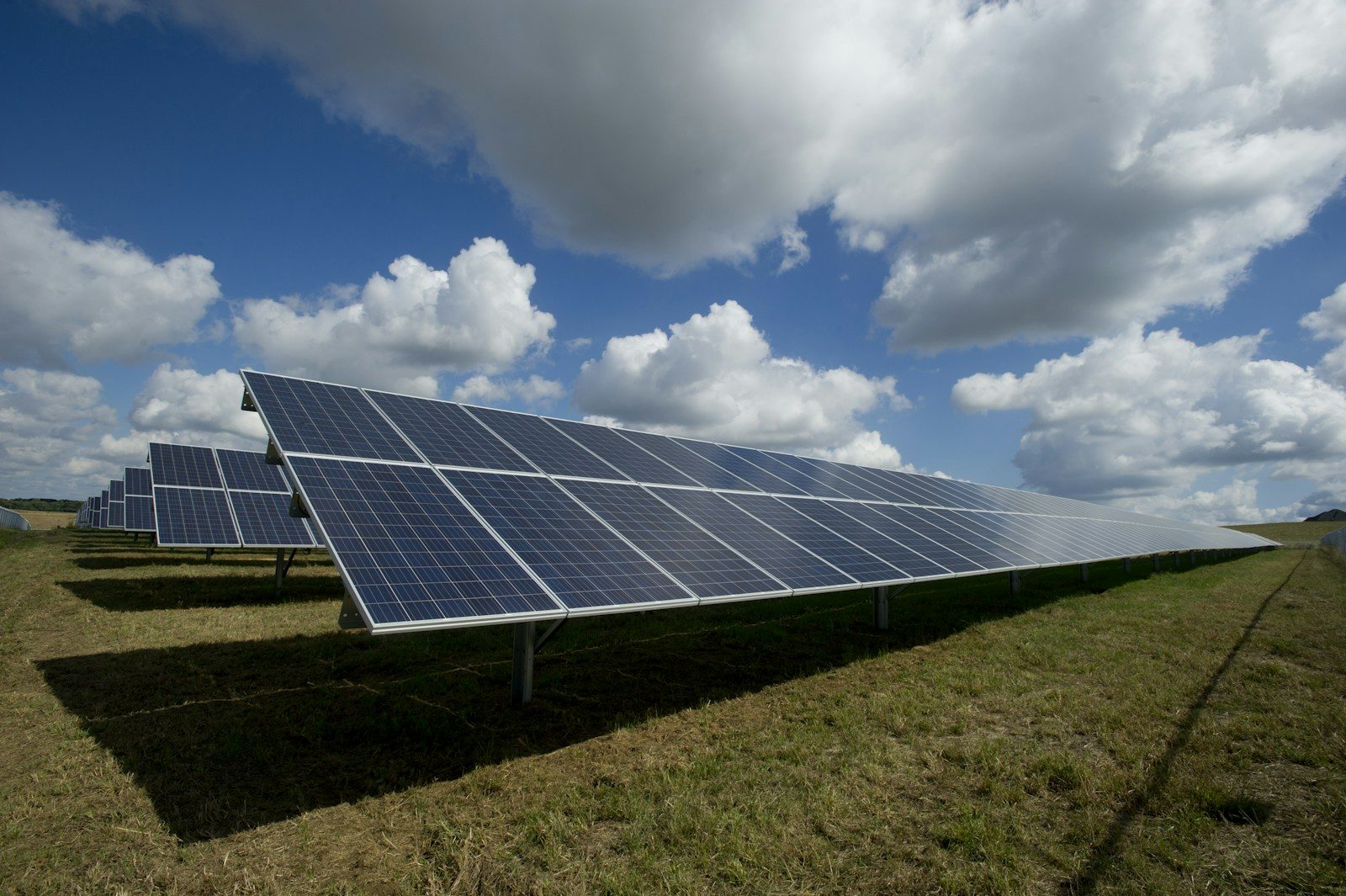
The Shenzhen Green Electricity and Green Certificate Service Center said on 14 July that it had served local companies in green power and certificate transactions totalling 50.303 billion kWh between November 2023 and May 2026. The certificates are being used by manufacturers and exporters for ESG disclosure and overseas low-carbon verification.
Overview
On 14 July 2026, the Shenzhen Green Electricity and Green Certificate Service Center released data showing that, between November 2023 and May 2026, it had served local Shenzhen companies in green electricity and green certificate transactions totalling 50.303 billion kWh. China News Service reported the figures the same day.
According to the center's estimate, 50 billion kWh of green power is equivalent to the annual electricity consumption of 100 large, high-density, liquid-cooled AI computing centres, and cuts carbon dioxide emissions by more than 40 million tonnes.
Background
The center was inaugurated in November 2023 as China's first government-authorised professional service platform for green electricity and green certificates. It aims to connect supply and demand for renewable power and provides end-to-end services covering procurement, certification and use.
China has been refining its green electricity certificate system, and certificates have become an increasingly important way for companies to prove their use of renewable energy. Shenzhen's economy is strongly export-oriented, and many firms are closely tied to overseas customers' supply chains. Demonstrating environmental performance is increasingly cited as a condition for winning and keeping orders, which has driven corporate demand.
In the same week, on 17 July, a national Blue Carbon Trading Alliance was launched in Shenzhen. It follows measures issued in 2025 by the Ministry of Natural Resources and the National Forestry and Grassland Administration to support Shenzhen's reforms in the natural resources field, including market-based blue carbon trading. The alliance has 156 member organisations covering China's coastal provinces as well as inland areas such as Beijing, Hubei and Chongqing, suggesting that Shenzhen is seeking a pioneering role in environmental markets.
Key Points
- Volume: 50.303 billion kWh cumulatively from November 2023 to May 2026.
- Environmental impact: estimated CO2 reductions of more than 40 million tonnes.
- Main users: high-end manufacturers, trading companies and public venues.
- Use cases: more than 1,000 leading companies used compliant green certificates to complete ESG disclosure and green supply chain certification, and to pass overseas low-carbon verification.
- Broader participation: green power consumption has spread from large companies to event organisers and new energy vehicle owners, and a culture of low-carbon consumption is emerging among residents.
- Next steps: expanding clean energy procurement channels inside and outside Guangdong, upgrading digital service platforms and products, improving a two-tier city and district service network, and promoting green operation of major events and everyday green power purchases by households.
Implications for Japan-Shenzhen Exchange
Many Japanese companies operate production bases in Shenzhen and South China in electronic components, machinery and automotive parts. Requests from Japanese headquarters and overseas customers to disclose renewable energy use and product carbon emissions are expected to keep rising. The development of a local system for procuring official green certificates is likely to give Japanese companies more practical options.
Japan, for its part, has been developing schemes such as the J-Blue Credit, which values CO2 absorption by ports and coastal seaweed beds. Exchanges of expertise on blue carbon accounting methods and trading rules could therefore attract interest. Decarbonisation is drawing attention as one of the themes on which companies and research institutions in Japan and Shenzhen can readily cooperate.
Outlook
The center said it will expand procurement channels and upgrade services, but has not published specific targets or timelines. How green certificates align with international certification schemes, and how far overseas customers will accept them, remain to be seen. The Blue Carbon Trading Alliance, for its part, said it will deepen reform of trading mechanisms, build a more market-based and standardised blue carbon system, strengthen cooperation among government, industry, academia and finance, and expand exchanges at home and abroad; concrete measures have yet to be announced.
From the Association
The Association will continue to follow Shenzhen's institutional and market developments in decarbonisation and green industries, and will strive to provide a forum where members and stakeholders in Japan and Shenzhen can share information.
This article is based on publicly available information and is provided for reference only; accuracy and completeness are not guaranteed.