 Skip to main content


A report published by the Shenzhen government on 6 February 2026 describes how Shenzhen companies are exporting technologies and standards as well as products. BYD sold 4.602 million new-energy vehicles in 2025, with overseas sales exceeding 1 million for the first time, while exports on the China-Europe Railway Express (Shenzhen) rose 40% to 6.87 billion yuan.
Overview
On 6 February 2026, the Shenzhen government's English-language portal published a Shenzhen Daily report on how companies from the city are accelerating their expansion abroad, particularly in countries and regions involved in the Belt and Road Initiative. The report said Shenzhen firms have entered a new stage in which they export not only products but also technologies and standards, supported by smart manufacturing, infrastructure projects and an integrated sea, land, air and rail logistics network. Its leading example, BYD, sold 4.602 million new-energy vehicles (NEVs) in 2025, and its overseas sales exceeded 1 million units for the first time.
Background
Shenzhen is the mainland Chinese city with the largest volume of foreign trade. Statistics released in January showed that the city's trade with Belt and Road partner countries and regions reached 1.57 trillion yuan in 2025, or 34.5% of its total, while trade in high-tech products reached 2.6 trillion yuan, up 10.6% and equal to 57.1% of the total. In recent years, Shenzhen companies have gone beyond exporting finished goods, increasingly building overseas factories, establishing sales and service networks and expanding through their technologies.
Key Points
- BYD: NEV sales of 4.602 million units in 2025, including 2.257 million battery-electric vehicles (up 27.86%). Overseas sales passed 1 million for the first time, and the company is described as that year's global leader in battery-electric vehicle sales. Its NEV business covers 119 countries and regions on six continents, with plants operating in Brazil, Thailand and Hungary. In May 2025, BYD set up a European headquarters in Hungary covering sales, after-sales service, certification, testing and localised design.
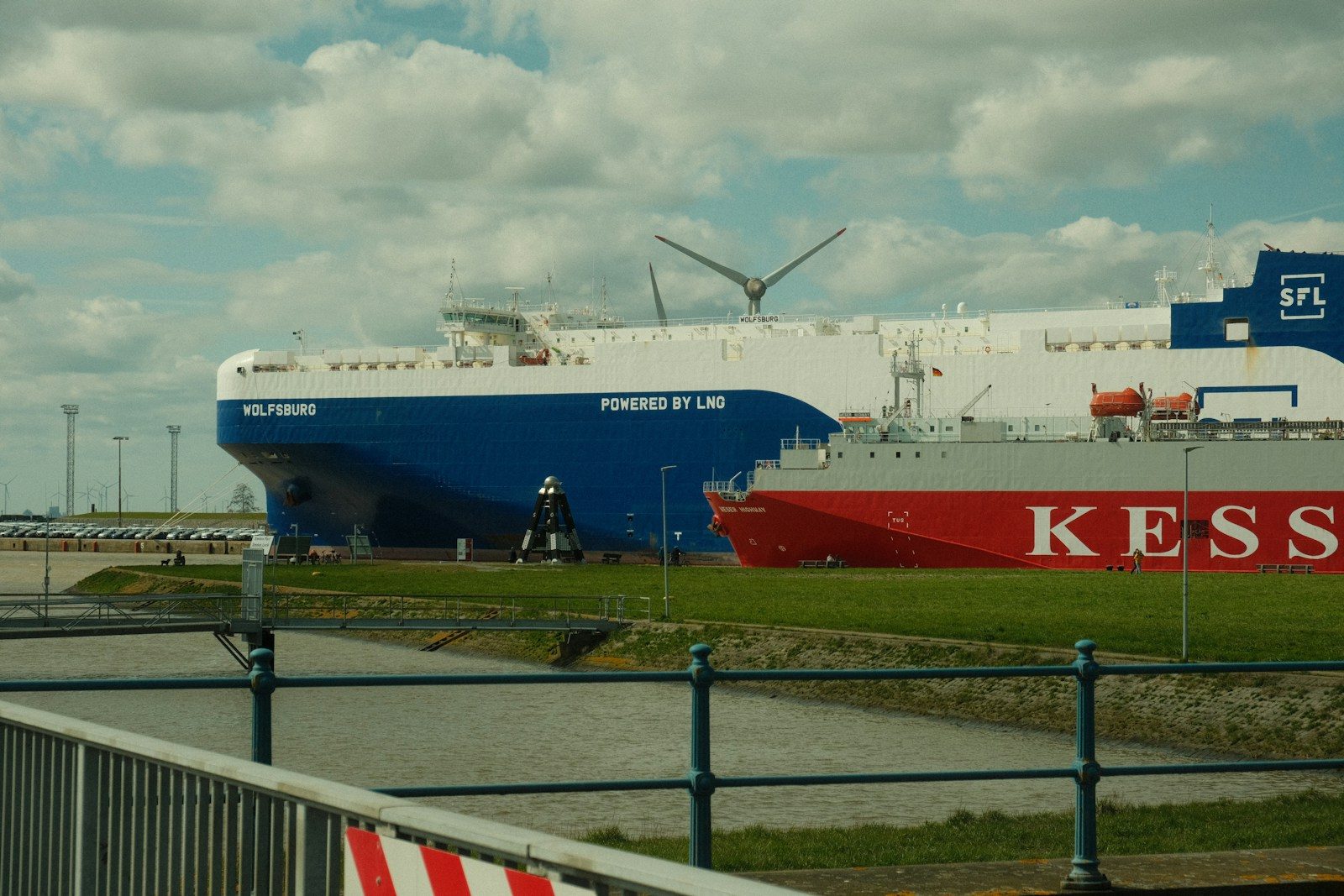
- Shipping: On 19 October 2025, 1,380 NEVs were loaded onto a ro-ro vessel bound for Brazil at Xiaomo International Logistics Port in Shenzhen. BYD already operates several of its own car carriers.
- i2Cool: This Shenzhen company's electricity-free radiative cooling technology is used in more than 30 countries and regions. On the roof of a large shopping mall in Dubai, it kept the surface 17.5 degrees Celsius cooler than nearby structures and cut energy use by 20%.
- Transsion: The Shenzhen phone brand is described as having a strong market presence in Africa.
- China-Europe Railway Express (Shenzhen): 27 regular routes serving 47 countries and regions. In 2025 it ran 202 trains (up 49.6%) and carried exports worth 6.87 billion yuan (up 40%).
- Pinghunan Comprehensive Logistics Hub: Expected to be fully operational by 2035, handling 30 million tonnes of cargo a year. Described as China's largest single logistics park, with logistics facilities built directly above the rail yard, it is set to become Asia's biggest single-structure road-rail-sea multimodal transport centre.
Implications for Japan-Shenzhen Exchange
BYD also sells battery-electric passenger cars in Japan through a local subsidiary, so the overseas expansion of Shenzhen companies is directly relevant to the Japanese market. The way Shenzhen firms are expanding abroad, combining local production, research and development, and sales networks, is likely to influence how Chinese companies approach their business in Japan as well.
At the same time, as Shenzhen companies grow in Southeast Asia, Latin America and Europe, there may be room for cooperation with Japanese companies that have extensive overseas experience, in areas such as components and materials, logistics, certification and local talent. The potential for Japanese and Chinese companies to work together in third-country markets is once again drawing attention.
Outlook
The report points to a continued broadening of Shenzhen companies' overseas activities, but it did not mention specific new plans or timetables for individual firms. The Pinghunan hub is targeted for full operation by 2035. Future investment plans and market-by-market strategies will need to be followed through the companies' own announcements.
From the Association
The Association will continue to follow the overseas expansion of Shenzhen companies and their business in the Japanese market. We will keep working to provide opportunities for Japanese and Shenzhen companies to deepen mutual understanding and explore possibilities for cooperation.
Sources
This article is based on publicly available information and is provided for reference only; accuracy and completeness are not guaranteed.