 Skip to main content


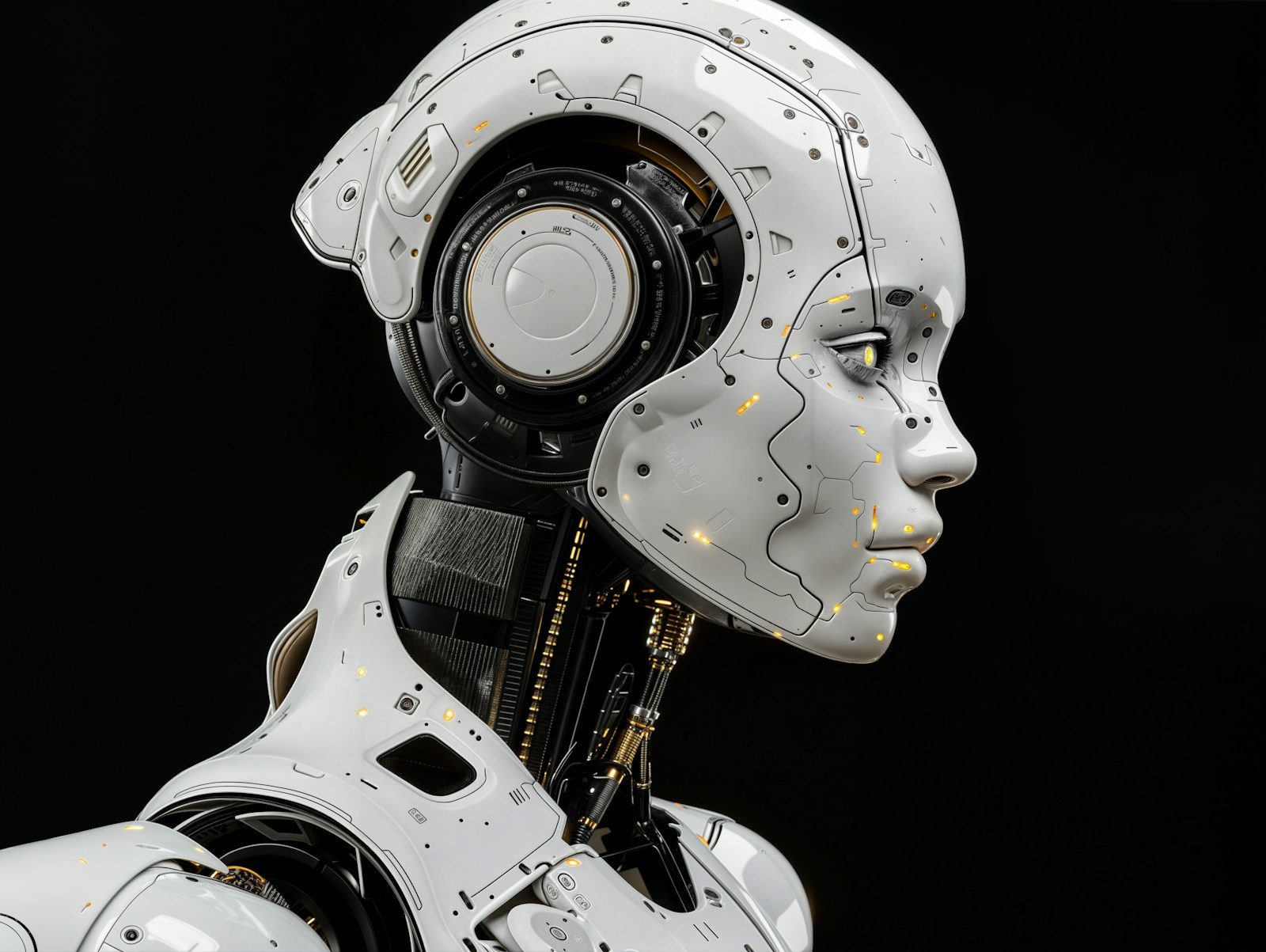
Shenzhen-based humanoid robot developer UBTech Robotics announced on 21 January 2026 that it will supply its Walker S2 industrial humanoid robot to Airbus, with the two companies jointly exploring the use of humanoid robots in aircraft manufacturing. UBTech's humanoid robot orders reached 1.4 billion yuan in 2025, and it expects production capacity to exceed 10,000 units in 2026.
Overview
UBTech Robotics, a humanoid robot developer headquartered in Shenzhen, announced on 21 January 2026 that it had reached an agreement to supply industrial humanoid robots to the manufacturing facilities of Airbus, the European aircraft maker. According to Xinhua, Airbus has purchased UBTech's Walker S2 industrial humanoid robot, and the two companies will jointly explore how humanoid robots can be used in aircraft manufacturing. UBTech signed a similar partnership in 2025 with the US semiconductor company Texas Instruments, and the new agreement shows that its cooperation with large overseas manufacturers is widening.
Background
Based in Shenzhen, UBTech has gradually expanded from educational and service robots into industrial humanoid robots. Its flagship model, the Walker S2, entered mass production in November 2025. The robot stands 1.76 metres tall and can swap its own battery autonomously, allowing it to keep working without lengthy charging breaks. UBTech's total humanoid robot orders reached 1.4 billion yuan (about 200 million US dollars) in 2025, and its production capacity for industrial humanoid robots is expected to exceed 10,000 units in 2026.
A report by the London-based consultancy Omdia found that Chinese companies led global humanoid robot production in 2025. Shanghai-based AgiBot ranked first with more than 5,100 units shipped, a 39% global share, followed by Unitree with 4,200 units and UBTech with 1,000 units. Humanoid robotics has become one of China's priority growth industries, and Shenzhen is one of its main clusters.
Key Points
- Customer and purpose: Airbus manufacturing facilities; the two sides will jointly test the potential of humanoid robots in aircraft production.
- Product: The Walker S2 industrial humanoid robot (mass production since November 2025, 1.76 metres tall, autonomous battery swapping).
- Precedent: A similar partnership with Texas Instruments in 2025.
- Orders and capacity: Humanoid robot orders of 1.4 billion yuan in 2025; industrial humanoid capacity expected to exceed 10,000 units in 2026.
- Target sectors: Aviation and automotive manufacturing, consumer electronics, smart logistics and semiconductor production, with expansion into Europe and the United States.
Implications for Japan-Shenzhen Exchange
Japan is a major producer and user of industrial robots, and it is home to large clusters of the very industries UBTech is targeting, such as automobiles, electronic components and precision machinery. The fact that a Shenzhen-made humanoid robot has entered the testing stage at a major Western manufacturer is likely to draw the attention of Japanese manufacturers, who may see it as a new option for coping with labour shortages and advancing automation.
At the same time, the effectiveness of humanoid robots on real production lines, as well as questions of safety and integration with existing equipment, are still being tested. For Japanese companies, attention is turning to the possibility that room for cooperation with Shenzhen robot makers may grow, whether in components such as reducers, sensors and motors, in system integration, or in joint trials. Shenzhen has built a supply chain that allows companies to move from sourcing parts to building prototypes in a short time, and following its development is likely to be useful for Japanese researchers and engineers as well.
Outlook
UBTech plans to raise its industrial humanoid robot capacity to more than 10,000 units in 2026 and to continue expanding in Europe and the United States. The number of robots Airbus will deploy, the production processes involved and the schedule for the trials had not been disclosed at the time of reporting. How the results of the joint testing are presented will be the next point to watch. Omdia's figures also suggest that competition among Chinese humanoid robot makers is intensifying, so attention is turning to how UBTech will differentiate itself in industrial applications.
From the Association
The Association will continue to follow developments in Shenzhen's robotics industry and other frontier sectors. We will keep working to provide opportunities for Japanese and Shenzhen companies and research institutions to share information and make the most of their respective strengths.
Sources
This article is based on publicly available information and is provided for reference only; accuracy and completeness are not guaranteed.