 Skip to main content


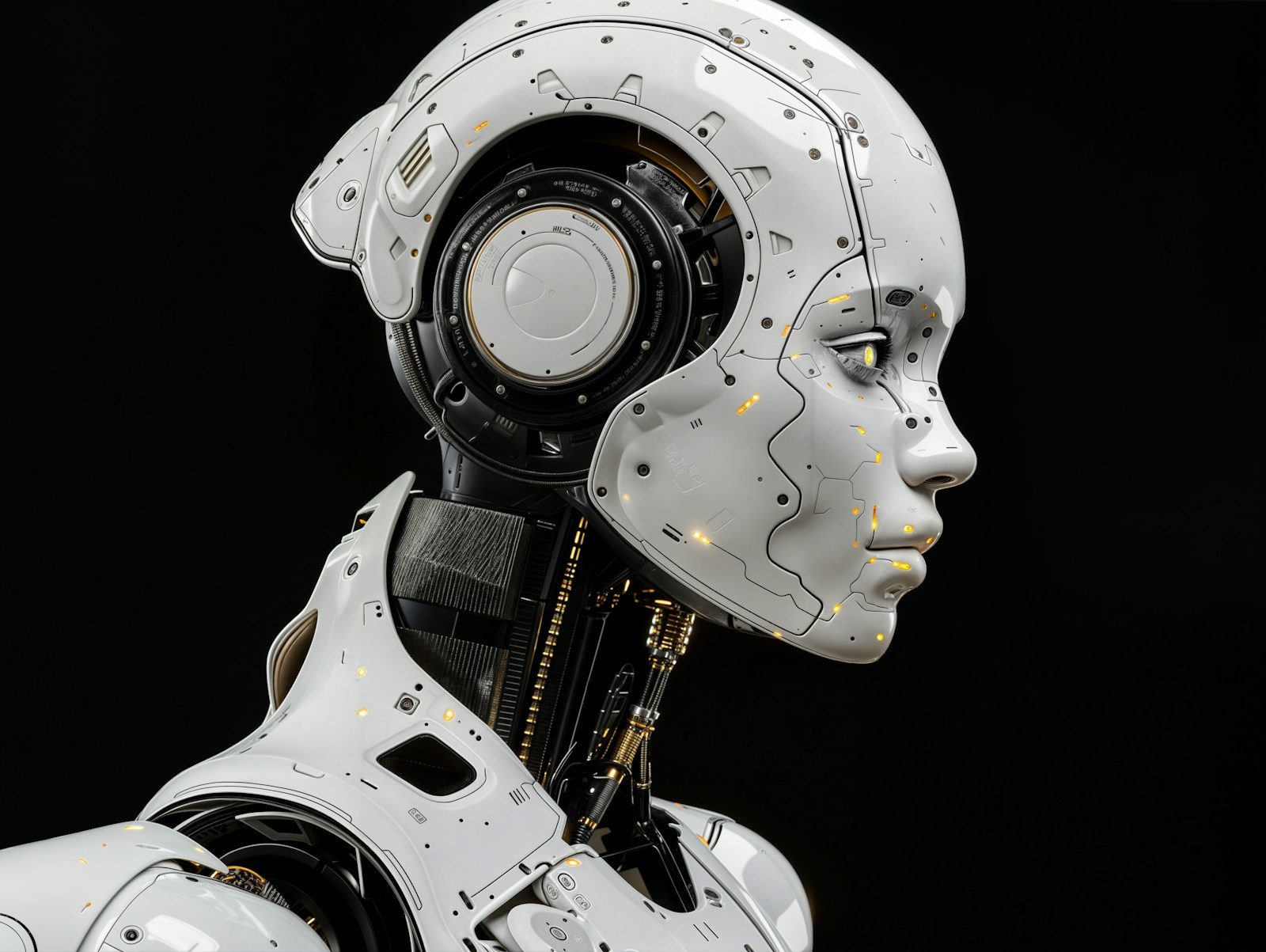
A white paper by the Shenzhen Robot Association and partners shows that Shenzhen's robot industry chain generated 201.2 billion yuan in output in 2024, passing 200 billion yuan for the first time. A robotics industry expo featuring about 180 exhibitors opened in Shenzhen on April 24.
Overview
According to a Yangcheng Evening News report carried by China News Service on April 25, 2025, the Shenzhen Robot Industry Development White Paper (2024), released by the Shenzhen Robot Association and the Shenzhen Institutes of Advanced Technology of the Chinese Academy of Sciences, shows that Shenzhen's robot industry chain generated 201.2 billion yuan in output in 2024. It was the first time the figure exceeded 200 billion yuan.
On April 24, the FAIR plus 2025 expo, covering the entire robot industry chain, opened at the Futian Convention and Exhibition Center in Shenzhen. The three-day event brought together about 180 robot companies from across China.
Background
Shenzhen has issued a series of plans and support policies to develop its robot industry. Backed by a dense supply chain for electronic components, sensors and motors, the city has become one of China's leading robotics hubs. Recently, an area dubbed "Robot Valley," where research institutes, universities and robot companies are clustered, has also attracted attention.
Interest in humanoid robots had also been rising. In April, Beijing hosted what was described as the world's first humanoid robot half-marathon, won in 2 hours, 40 minutes and 42 seconds by Tiangong Ultra, developed by the Beijing Humanoid Robot Innovation Center, in which Shenzhen-based UBTech is one of the founding participants.
Key Points
| Item | Details (from the white paper) |
|---|---|
| 2024 robot industry chain output | 201.2 billion yuan (first time above 200 billion) |
| Companies with robotics in their business scope | 74,032 (as of end-2024) |
| New robot-related companies in 2024 | 14,534 (up 39.64% year on year) |
| Company mix | Industrial robots 43.75%, non-industrial robots 56.25% |
- Shenzhen exhibitors included UBTech (humanoid robots), Dobot (collaborative robots), Orbbec (3D vision), RoboSense (lidar), Leju and Pudu
- UBTech showed its Tiangong 1.0 humanoid robot, which can dance and jog
- Tencent's Robotics X lab also displayed a robot
- The white paper notes that embodied AI is still at the stage of exploring commercialization, but its impact on core components for industrial robots is already visible
What It Means for Japan–Shenzhen Exchange
Japan has a long track record in industrial robots and core components such as reducers, servo motors and sensors, while Shenzhen is seeing a rapid increase in start-ups making service and humanoid robots. Because their strengths differ, there appears to be room for complementary relationships, including component supply, joint development and cooperation in applications.
In Japan, service sectors facing labor shortages, such as elderly care, logistics, restaurants and cleaning, are increasingly introducing robots such as serving robots, and attention is turning to how Shenzhen-made robot products are received in the Japanese market. At the same time, meeting quality and safety standards and building after-sales service systems are seen as challenges.
Entrepreneurial momentum remains strong in Shenzhen, where more than 14,000 new robot-related companies were set up in 2024. According to the white paper, 223 of the new companies held robot-related patents, more than ten times the previous year's number. The growing number of R&D-oriented firms is likely to interest Japanese companies and universities looking for partners in technology tie-ups and joint research.
Companies from other cities also took part in the expo, including Hangzhou-based Unitree, which displayed a quadruped robot and a humanoid robot. Because robot companies are growing not only in Shenzhen but across China, it may become increasingly important for Japanese firms to understand each region's industrial strengths when considering exchange partners.
Outlook
Shenzhen has indicated that it will continue to treat robotics as a priority industry, and the pace at which humanoid robots and embodied AI are commercialized will be a key focus. Specific targets and any new support measures remain to be announced by the city.
From the Association
Robotics is an important industry for both Shenzhen and Japan. The Association will continue to follow technology and industry trends on both sides and to share information and create opportunities for exchange between companies and research institutions.
This article is based on publicly available information and is provided for reference only; accuracy and completeness are not guaranteed.