 Skip to main content


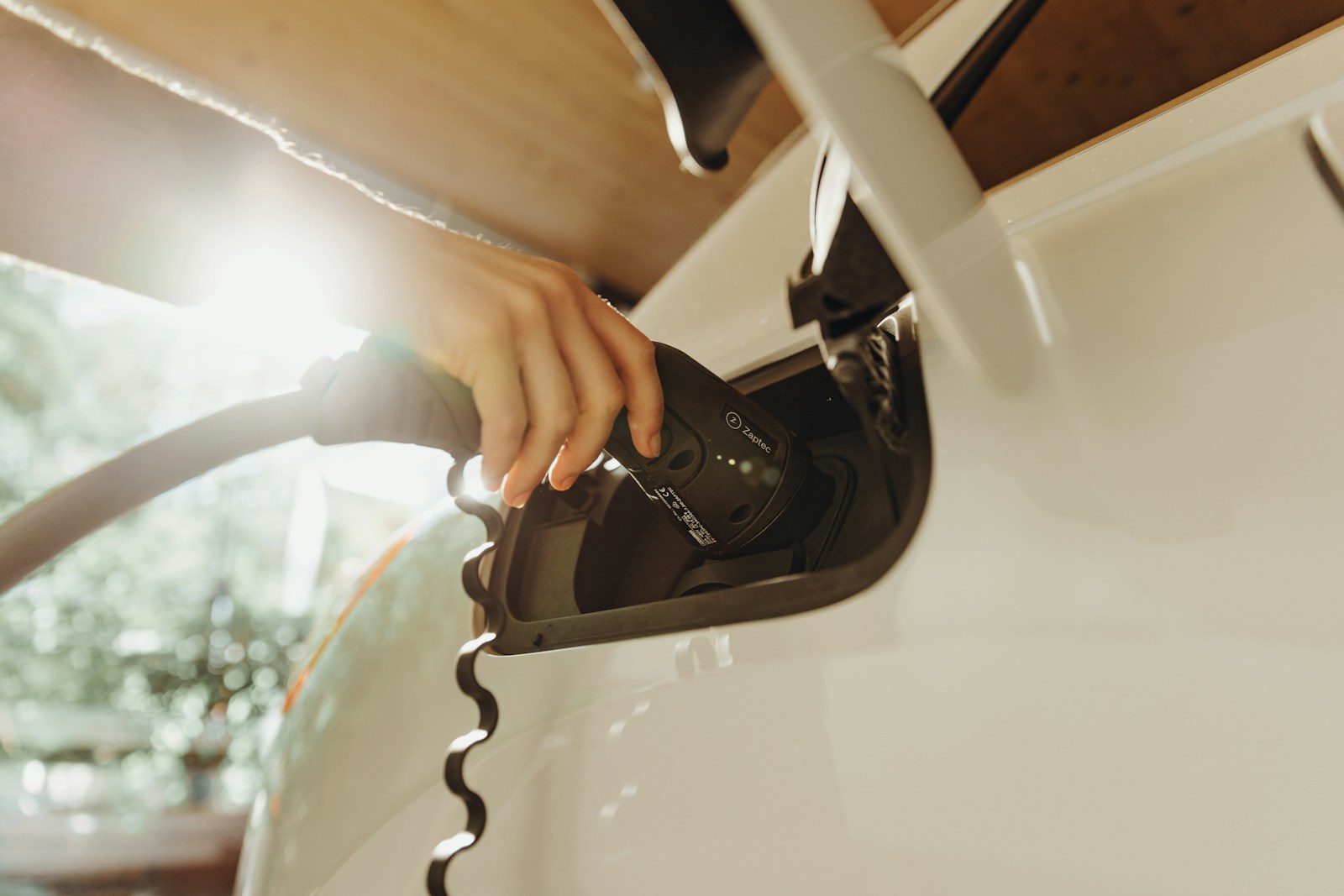
BYD Auto Japan, the Japanese arm of Shenzhen-based BYD, launched the SEALION 7 crossover SUV electric vehicle on April 15, 2025. It is BYD's fourth passenger EV in Japan, priced from 4.95 million yen including tax, and pre-orders had exceeded 100 units.
Overview
BYD Auto Japan, the Yokohama-based Japanese subsidiary of Shenzhen-headquartered automaker BYD, launched the BYD SEALION 7 crossover SUV electric vehicle at dealers across Japan on April 15, 2025. According to the Nikkan Kogyo Shimbun and other reports, it is the fourth passenger EV that BYD sells in Japan, following the ATTO 3, DOLPHIN and SEAL.
Prices including tax are 4.95 million yen for the rear-wheel-drive model and 5.72 million yen for the all-wheel-drive (AWD) model. Pre-orders opened on March 15, and the company was reported to have received more than 100 orders before launch.
Background
BYD entered Japan's passenger car market in January 2023 and has been building its sales network since then. The SEALION 7 made its Japanese debut at Tokyo Auto Salon 2025 in January, and BYD announced an April launch at its business policy briefing the same month. On March 14 the company set the April 15 launch date, and reservations opened the following day.
BYD is known for its vertically integrated model, producing everything from batteries to complete vehicles, and its sales have grown both in China and overseas. With imported EVs gradually gaining visibility in Japan, the company is now adding a model in the popular SUV segment.
Key Points
| Item | Details |
|---|---|
| Launch date | April 15, 2025 |
| Price (incl. tax) | RWD 4.95 million yen / AWD 5.72 million yen |
| Battery | Lithium iron phosphate Blade Battery, 82.56 kWh |
| Range per charge | RWD 590 km / AWD 540 km |
| Dimensions | 4,830 x 1,925 x 1,620 mm, wheelbase 2,930 mm |
| 0–100 km/h | AWD 4.5 seconds / RWD 6.7 seconds |
- The rear motor delivers up to 230 kW, and the AWD version adds a 160 kW front motor
- The drag coefficient is reported at 0.28
- Buyers who sign and register by June 30 receive items such as a dashcam and an ETC unit
- According to reports, BYD plans to introduce plug-in hybrid vehicles (PHEVs) in Japan by the end of 2025 and to offer seven to eight EV and PHEV models by around 2027
What It Means for Japan–Shenzhen Exchange
The expansion of a Shenzhen-based manufacturer's lineup in Japan is seen as a sign that Shenzhen industry is widening its contact with Japan in consumer products as well. Because EV adoption involves charging infrastructure, sales and maintenance networks, insurance and used-car markets, opportunities for collaboration with Japanese businesses may also grow.
For Japanese automakers, the launch adds competition in terms of price range and equipment levels, and attention is turning to how the overall EV market develops. For consumers, it is likely to mean more choice, and how widely imported EVs are accepted in Japan is expected to be one of the key questions.
In the spread of EVs, consumers weigh not only vehicle performance and price but also ease of charging and after-sales support. BYD is expanding its dealer network in Japan, and how far these efforts win the trust of Japanese consumers is drawing attention.
The growth of Shenzhen's auto industry is also closely linked to the development of related sectors such as batteries, semiconductors and in-vehicle software. For Japanese parts and materials makers and technology companies, developments at Shenzhen's auto-related firms are likely to be important information for understanding markets and the competitive landscape.
Outlook
BYD has said it will introduce PHEVs by the end of 2025, but specific models and prices have not been announced. Sales of the SEALION 7 and the expansion of BYD's dealer network will be points to watch. Changes in Japan's government subsidies for EV purchases may also influence sales.
From the Association
Business expansion by Shenzhen companies in the Japanese market is one concrete example of economic exchange between the two sides. The Association will continue to follow developments involving Shenzhen and Japanese companies and to help create opportunities for mutual understanding and exchange.
Sources
This article is based on publicly available information and is provided for reference only; accuracy and completeness are not guaranteed.