 Skip to main content


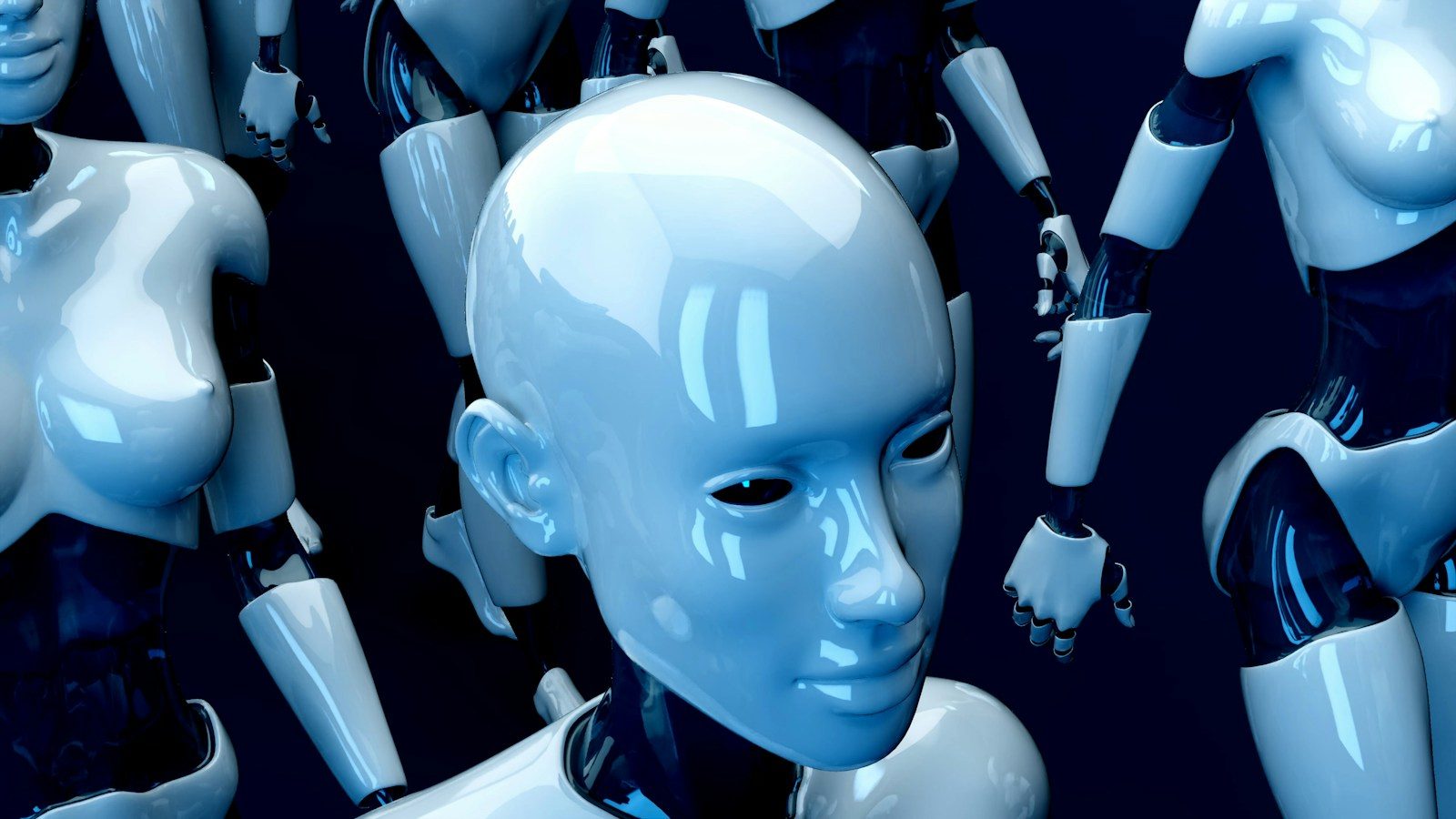
On March 3, 2025, Shenzhen released an action plan for technological innovation and industrial development of embodied intelligent robots for 2025–2027. It targets a related industry scale of over 100 billion yuan and more than 1,200 companies in the cluster by 2027, and sets out 18 key tasks, from core components and AI chips to opening application scenarios.
Overview
On March 3, 2025, Shenzhen released its Action Plan for Technological Innovation and Industrial Development of Embodied Intelligent Robots (2025–2027). "Embodied intelligence" refers to AI that perceives and acts in the physical world through a body such as a robot. According to PEdaily, the plan is led by the Shenzhen Municipal Science and Technology Innovation Bureau.
With 2027 as the target year, the plan aims to expand the related industry to more than 100 billion yuan, grow the embodied-robot industry cluster to more than 1,200 companies, and raise the industry's overall strength to an internationally leading level.
Background
Shenzhen hosts dense supply chains for electronic components, motors, batteries and sensors, and is a well-known base for developing industrial and service robots. In the city's government work report on February 25, 2025, embodied intelligence was already named as a focus of the "AI+" action plan. With global interest in humanoid robots rising, the new plan signals Shenzhen's intention to support the whole path from research to mass production and real-world use.
Key Points
According to reports, the main quantitative targets for 2027 are:
| Item | Target |
|---|---|
| Newly cultivated companies valued above 10 billion yuan | 10 or more |
| Companies with annual revenue above 1 billion yuan | 20 or more |
| Application scenarios at the billion-yuan scale | 50 or more |
| Related industry scale | Over 100 billion yuan |
| Companies in the industry cluster | Over 1,200 |
The plan sets out 18 key tasks, grouped into three pillars:
- Core technology breakthroughs: core components such as micro motors and joint modules, tactile and force sensors and high-energy-density batteries; AI chips for robots; dexterous multi-finger hands; embodied foundation models; and whole-body motion control.
- Public platforms: key laboratories, testing grounds, testing and certification bodies, open cross-embodiment datasets, "training compute vouchers" that subsidize computing power for model training, and a standardization committee.
- Industrial ecosystem: support for volume manufacturing and first-of-a-kind applications, rolling release of at least 50 application scenarios in government, manufacturing, education, healthcare and transport, an industry alliance linking robot makers and component suppliers, support for overseas expansion, and international events such as the China Hi-Tech Fair.
What It Means for Japan–Shenzhen Exchange
Core robot components such as reducers, motors, sensors and controllers are areas where Japanese companies have built up technology over many years. If Shenzhen accelerates the development and mass production of complete robots, contact points with Japanese firms in component supply, joint development, and testing and certification may increase.
The plan also includes support for overseas expansion and international competitions and forums, which could give Japanese research institutions and start-ups more chances to learn about Shenzhen's testing environment and industrial clusters. With Japan's ageing population driving strong interest in robots for care and logistics, exchange on applications is also drawing attention.
At the same time, putting robots into real-world use requires safety assurance and evaluation standards, and the plan includes measures on testing, certification and standardization. Because these areas need to be consistent with international rules, exchanges of views between Japanese and Chinese researchers and industry bodies are likely to become more important. From a supply-chain perspective, Shenzhen is strong in system integration, rapid iteration and volume manufacturing, while Japan has deep experience in high-precision components and reliability management, and this complementarity is drawing attention. How the two sides build positive interaction in technical cooperation, standards and talent exchange is a question worth following.
Outlook
The plan covers the three years from 2025 to 2027. Details such as the release of application scenarios, application procedures for support measures and related budgets are expected to be announced by the relevant departments over time.
From the Association
The Association will continue to follow developments in Shenzhen's robotics and AI industries and share information with our members. We will also keep working to create opportunities for technology exchange between Japan and Shenzhen.
Sources
This article is based on publicly available information and is provided for reference only; accuracy and completeness are not guaranteed.