 Skip to main content


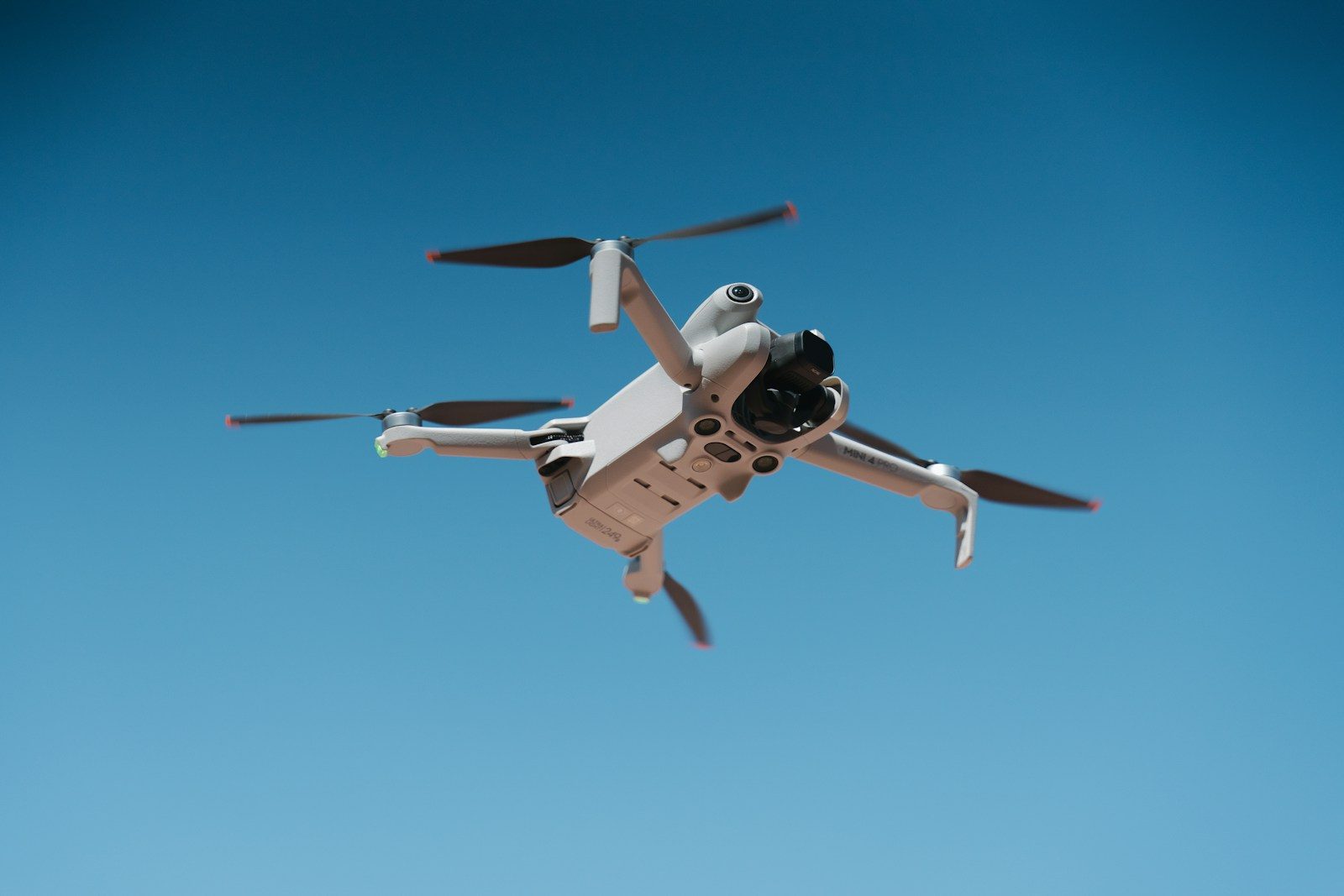
On February 25, 2025, Shenzhen Mayor Qin Weizhong delivered the municipal government work report at the opening of the sixth session of the 7th Shenzhen Municipal People's Congress. The report set a goal of keeping double-digit growth in the value added of strategic emerging industries and outlined an "AI+" action plan and the building of a national low-altitude economy demonstration zone.
Overview
On February 25, 2025, the sixth session of the 7th Shenzhen Municipal People's Congress opened, and Mayor Qin Weizhong delivered the city's 2025 government work report. According to Cailian Press and Gelonghui, the report set the goal of "maintaining double-digit growth" in the value added of strategic emerging industries and said the city would compete with full effort in new industrial fields such as artificial intelligence (AI), the low-altitude economy and aerospace.
Background
Shenzhen's growth has been built on manufacturing clusters in electronics and information technology, automobiles and new energy. In recent years the city has been developing its "20+8" system of strategic emerging industry clusters and future industries, and it moved early to promote the low-altitude economy, which uses drones and electric vertical take-off and landing (eVTOL) aircraft.
According to the Shenzhen Special Zone Daily (February 4, 2025), Shenzhen passed China's first local regulation on the low-altitude economy in February 2024 and was approved as a national low-altitude economy industrial demonstration zone the same year. By the end of 2024 the city had built 483 take-off and landing sites. In 2024 drones made 776,000 cargo flights and helicopters made 28,000 passenger flights, and the city had more than 1,700 companies in the low-altitude industry chain, the most of any Chinese city.
Key Points
The main elements of the report, as reported, are:
- Upgrading established industries: Consolidate the global standing of electronics and information, automotive and new energy industries, carry out an "ICT+" action plan and cultivate a "second growth curve."
- "20+8" clusters: Develop and expand strategic emerging industry clusters, keeping their value added growing at double-digit rates.
- "AI+" action plan: Seek breakthroughs in algorithms, AI chips, embodied intelligence, advanced driver assistance and lightweight on-device models, and develop AI terminal products.
- Low-altitude economy: Accelerate the national low-altitude economy demonstration zone, bid to become a pilot city for urban air traffic management, and aim to be the first city in the world with full coverage by an integrated air-space-ground low-altitude sensing network.
What It Means for Japan–Shenzhen Exchange
The priority fields named in the report, including AI, robotics, drones and electronic components, overlap with areas where Japanese companies are strong, such as materials, components, precision machining and control technology. As Shenzhen speeds up the development of new industries, opportunities for Japanese firms in supply chains and joint development may widen.
In fields such as the low-altitude economy, where rule-making and pilot projects advance together, issues such as safety standards and traffic management are also debated in Japan, and information exchange between local governments and industry bodies is drawing attention.
The work report sets out the city's priorities for the year and serves as the starting point for concrete plans by districts and departments. For Japanese local governments and business organizations planning exchange programs with Shenzhen, knowing where the city is placing its emphasis is likely to be useful. In particular, the report's call to develop "AI terminal products" is worth noting when following Shenzhen companies with strong track records in smartphones, home appliances and wearable devices. The emphasis on consolidating established industries while cultivating a "second growth curve" also suggests a strategy of protecting the existing industrial base while moving into new fields.
Moreover, rules and standards in new fields such as the low-altitude economy and AI are still being developed. For Japanese companies and institutions considering cooperation, keeping up with the specific policies and projects that Shenzhen's departments release over time is likely to be important.
Outlook
The policies in the report are expected to be turned into sector-specific action plans and support measures. However, details such as specific measures, budgets and timetables were not clear from the reports, and further announcements from the relevant departments are awaited.
From the Association
The Association will continue to follow Shenzhen's industrial policies closely and present them clearly to our members. We will keep working to create opportunities for Japanese and Shenzhen companies and organizations to connect in new fields.
Sources
This article is based on publicly available information and is provided for reference only; accuracy and completeness are not guaranteed.