 Skip to main content

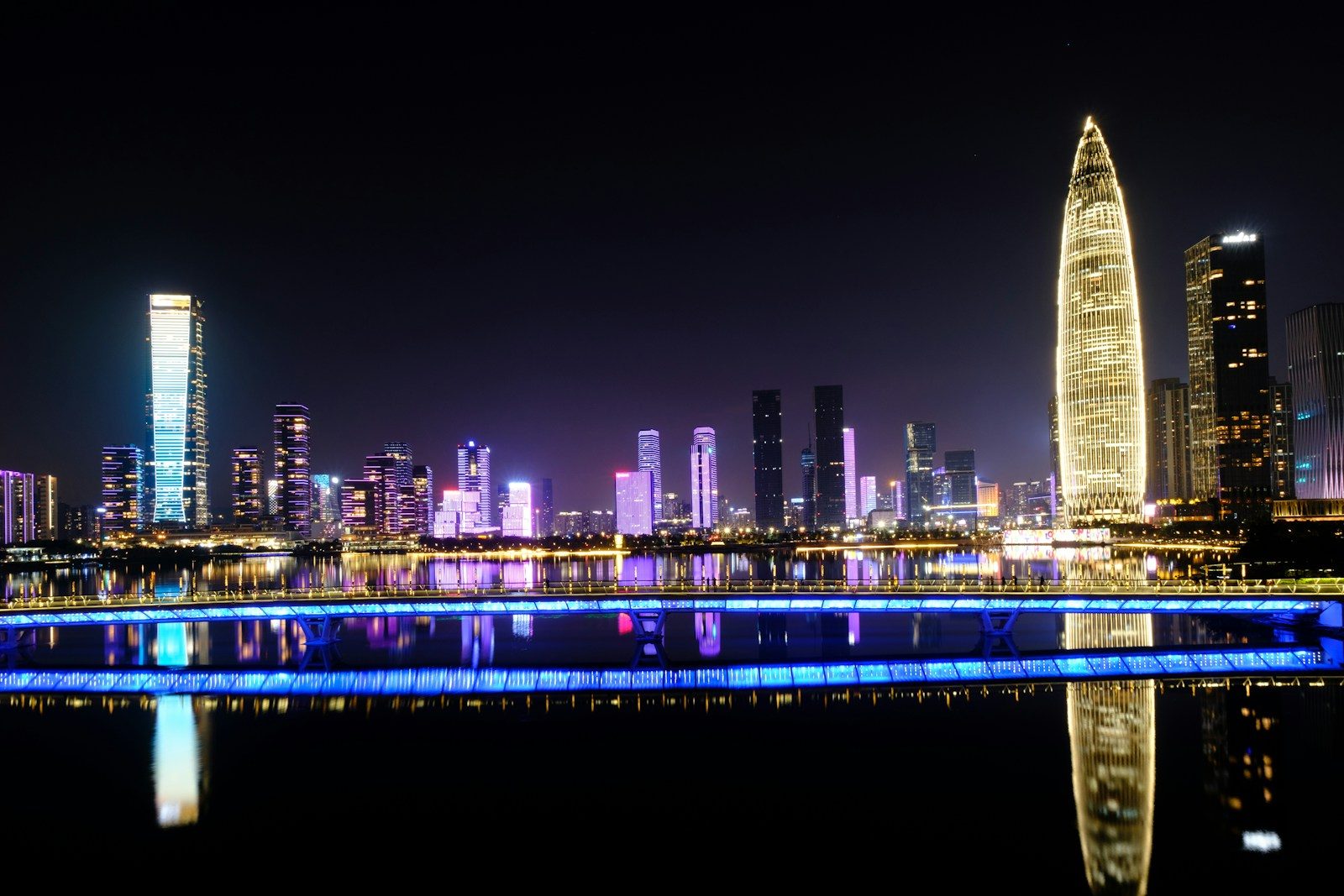
On September 8, the World Intellectual Property Organization released its ranking of the world's top 100 innovation clusters, with Shenzhen-Hong Kong-Guangzhou in first place for the second consecutive year. Tokyo-Yokohama ranked second and Osaka-Kobe-Kyoto tenth.
Overview
On September 8, 2026, the World Intellectual Property Organization (WIPO) released its ranking of the world's top 100 science and technology innovation clusters as part of the Global Innovation Index (GII). According to the Shenzhen municipal government, the Shenzhen-Hong Kong-Guangzhou cluster ranked first in the world for the second consecutive year. According to WIPO's GII 2026 page, Tokyo-Yokohama ranked second and San Jose-San Francisco third, while Japan's Osaka-Kobe-Kyoto cluster also entered the top ten in tenth place.
Background
WIPO's cluster ranking began in 2017. It uses three indicators, namely international patent applications under the Patent Cooperation Treaty (PCT), scientific publications and venture capital (VC) deals, to identify areas at city level where inventors, researchers and investment are concentrated. Tokyo-Yokohama held the top spot for many years, but Shenzhen-Hong Kong-Guangzhou took first place for the first time in 2025 and kept it in 2026. The main GII 2026 report, which ranks economies, was released in Geneva on September 29. The cluster ranking reflects innovation activity at the metropolitan level and complements the national ranking, so it is closely watched by local governments and businesses.
Key Points
| Rank | Cluster |
|---|---|
| 1 | Shenzhen-Hong Kong-Guangzhou |
| 2 | Tokyo-Yokohama |
| 3 | San Jose-San Francisco |
| 4 | Beijing |
| 5 | Seoul |
| 6 | Shanghai-Suzhou |
| 7 | New York City |
| 8 | London |
| 9 | Boston-Cambridge |
| 10 | Osaka-Kobe-Kyoto |
- According to the Shenzhen government, the Shenzhen-Hong Kong-Guangzhou cluster recorded 120,095 PCT applications, 215,866 scientific articles and 7,325 VC deals over the most recent five-year period.
- Shenzhen's cumulative patent grants exceeded 2.35 million by the end of 2025, or 31.45% of Guangdong's total. Invention patent grants reached 507,000, or 45.69% of the provincial total.
- Guangzhou filed 791 PCT applications in the first half of 2026, up 4.9% year on year, and held 205,900 valid invention patents at the end of 2025, or 108.5 per 10,000 residents.
- By scientific output among institutions in the cluster, Sun Yat-sen University ranked first and South China University of Technology second, together accounting for about one-quarter of the cluster's publications.
- Among the top 100 clusters, China has 25, the United States 20 and Germany 7.
- In the GII 2026 ranking of economies, Switzerland ranked first and China tenth.
Implications for Japan-Shenzhen Exchange
With Shenzhen-Hong Kong-Guangzhou and Tokyo-Yokohama taking the top two places, the ranking again shows that Asia has become a major center of global innovation. Both regions have strengths in electronics and telecommunications, automobiles, materials and precision equipment, and both carry significant weight in patents and research. For Japanese companies and universities, keeping track of R&D and startup trends in Shenzhen and the wider Greater Bay Area is becoming increasingly important, while Shenzhen appears interested in working with Japan, which has deep strengths in basic research and in materials and component technology. The potential for cooperation between the two regions in researcher and entrepreneur exchange, joint research and open innovation is attracting attention. Notably, the strength of the Shenzhen-Hong Kong-Guangzhou cluster comes both from the intensive patent filing of Shenzhen companies and from the research output of universities in Guangzhou and Hong Kong. This combination of companies and universities has much in common with Japanese clusters such as Tokyo-Yokohama and Osaka-Kobe-Kyoto, and sharing experience on models of industry-academia collaboration may become one direction for future exchange.
Outlook
Shenzhen will host the APEC Economic Leaders' Meeting in November 2026, and international events on themes such as AI and the digital economy are expected to continue. Detailed analysis and indicator trends for individual clusters are available in WIPO's published materials, but it is not possible to say how the rankings will develop in coming years.
From the Association
The Association will continue to follow innovation trends in both Shenzhen and Japan. We will keep working to provide information and opportunities for companies, universities and research institutions in the two regions to deepen their exchange.
Sources
This article is based on publicly available information and is provided for reference only; accuracy and completeness are not guaranteed.