 Skip to main content


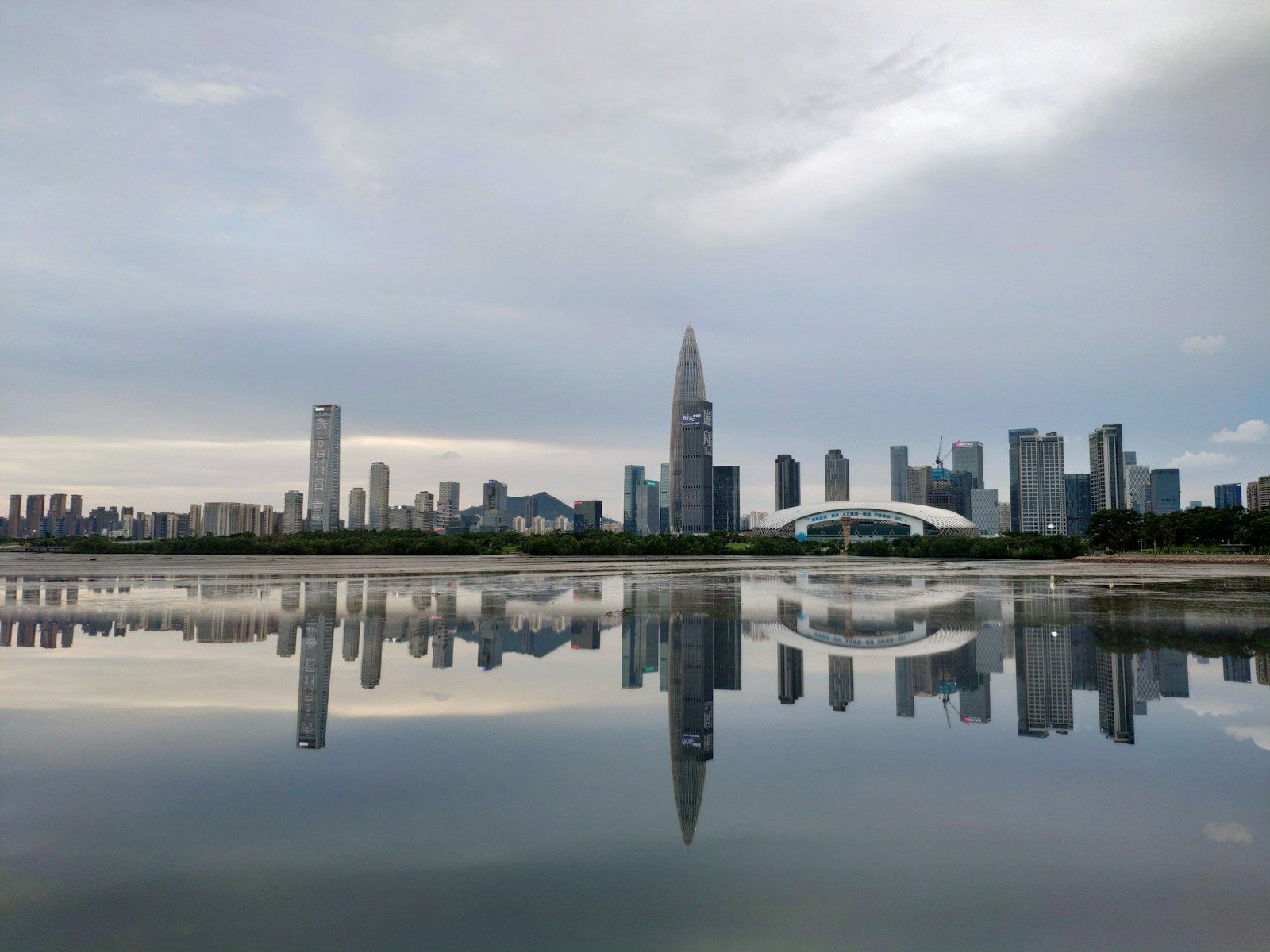
On 6 March 2026 the Shenzhen Qianhai Authority published new implementation measures to promote the high-quality development of headquarters companies. The measures prioritise 12 sectors, including information services, AI and embodied-intelligence robotics and the low-altitude economy, cover multinational and foreign R&D headquarters, and take effect on 13 March for three years.
Overview
On 6 March 2026 the Authority of the Qianhai Shenzhen-Hong Kong Modern Service Industry Cooperation Zone (the Qianhai Authority) published its Implementation Measures on Promoting the High-Quality Development of Headquarters Enterprises (Shen Qianhai Gui [2026] No. 3) on its official website. The document is dated 2 March, took effect on 13 March and is valid for three years. It replaces the previous measures issued in 2024 (Shen Qianhai Gui [2024] No. 13).
The new measures contain 22 articles in five chapters: general provisions, recognition criteria, support measures, services and supervision, and supplementary provisions. Their aim is to draw regional and R&D headquarters to Qianhai, and they explicitly include the headquarters functions of foreign-invested companies.
Background
Qianhai was designated a national-level Shenzhen-Hong Kong cooperation zone in 2010. After the central government published a plan in 2021 to deepen reform and opening-up in Qianhai, the zone's area was greatly enlarged. Its development has centred on modern services such as finance, logistics and legal services, together with closer alignment of rules with Hong Kong.
In January 2026 Qianhai released a 2026 action plan for deeper Shenzhen-Hong Kong integration, with 21 areas of work and 56 specific tasks, including a two-way headquarters base called the "Shenzhen-Hong Kong Hub". The new measures can be seen as turning these policy directions into a concrete framework for attracting companies.
Key Points
Twelve priority sectors: information services; financial services; trade and logistics; professional services; technology services; culture, sports, tourism and commerce; artificial intelligence and embodied-intelligence robotics; marine industries; smart terminals; the low-altitude economy; cell and gene industries; and the data industry.
Main recognition criteria:
| Category | Main requirements (selected) |
|---|---|
| Comprehensive headquarters | Subsidiaries or regional headquarters of Fortune Global 500 and similar firms with paid-in capital of at least RMB 500 million; companies listed on major domestic or overseas exchanges; companies founded within 10 years and valued above USD 1 billion |
| Modern service headquarters | Information services: prior-year revenue of at least RMB 2 billion and at least 100 employees; wholesale: RMB 5 billion; retail: RMB 1 billion; logistics: RMB 2 billion, among others |
| Foreign-invested headquarters | Multinational headquarters recognised by Shenzhen's investment promotion authority; foreign R&D headquarters authorised by an overseas parent to run global or regional R&D, with cumulative R&D investment of at least USD 10 million or RMB 70 million |
Support measures:
- Space: preferential land prices and access to the Shenzhen-Hong Kong Hub two-way headquarters base
- Talent: priority rental housing for core staff and support with schooling, including Qianhai International School, and healthcare
- Finance: free trade (FT) accounts, cash pooling and easier cross-border settlement
- Legal and data: assistance with ascertaining foreign law, cross-border data consultation and priority handling of urgent data transfers
- Customs and travel: APEC Business Travel Cards, AEO certification support and faster customs clearance
The text does not specify cash rewards or rent subsidy amounts; it refers only to "certain support" and "preferential" treatment. Applications follow a guide that the Authority will publish each year. Reviews are to be completed within 60 days, followed by a public notice period of at least five working days. Recognised companies are subject to annual review, and support can be withdrawn in cases of false information.
Implications for Japan-Shenzhen Exchange
Because foreign regional and R&D headquarters are now explicitly eligible, Japanese companies that run management or development functions in South China appear to have another option to compare. Measures on cross-border data, foreign-law research and cash pooling relate closely to the day-to-day work of companies operating in both Hong Kong and the mainland, and are drawing attention.
For Shenzhen companies, the recognition of listed companies and unicorns as headquarters may encourage them to place the command centres of their overseas businesses in Qianhai. Where Shenzhen firms entering the Japanese market locate such functions is likely to be watched with interest.
Outlook
The measures took effect on 13 March. Application periods and required documents are expected to be set out in the annual application guide to be published by the Qianhai Authority. The level of financial support and how the measures combine with other city and district policies have not yet been made public.
From the Association
The Association will continue to follow developments in Shenzhen's opening-up policies, including those in Qianhai. We will keep sharing useful information with Japanese and Shenzhen companies and providing a platform for exchange between the two sides.
This article is based on publicly available information and is provided for reference only; accuracy and completeness are not guaranteed.