 Skip to main content


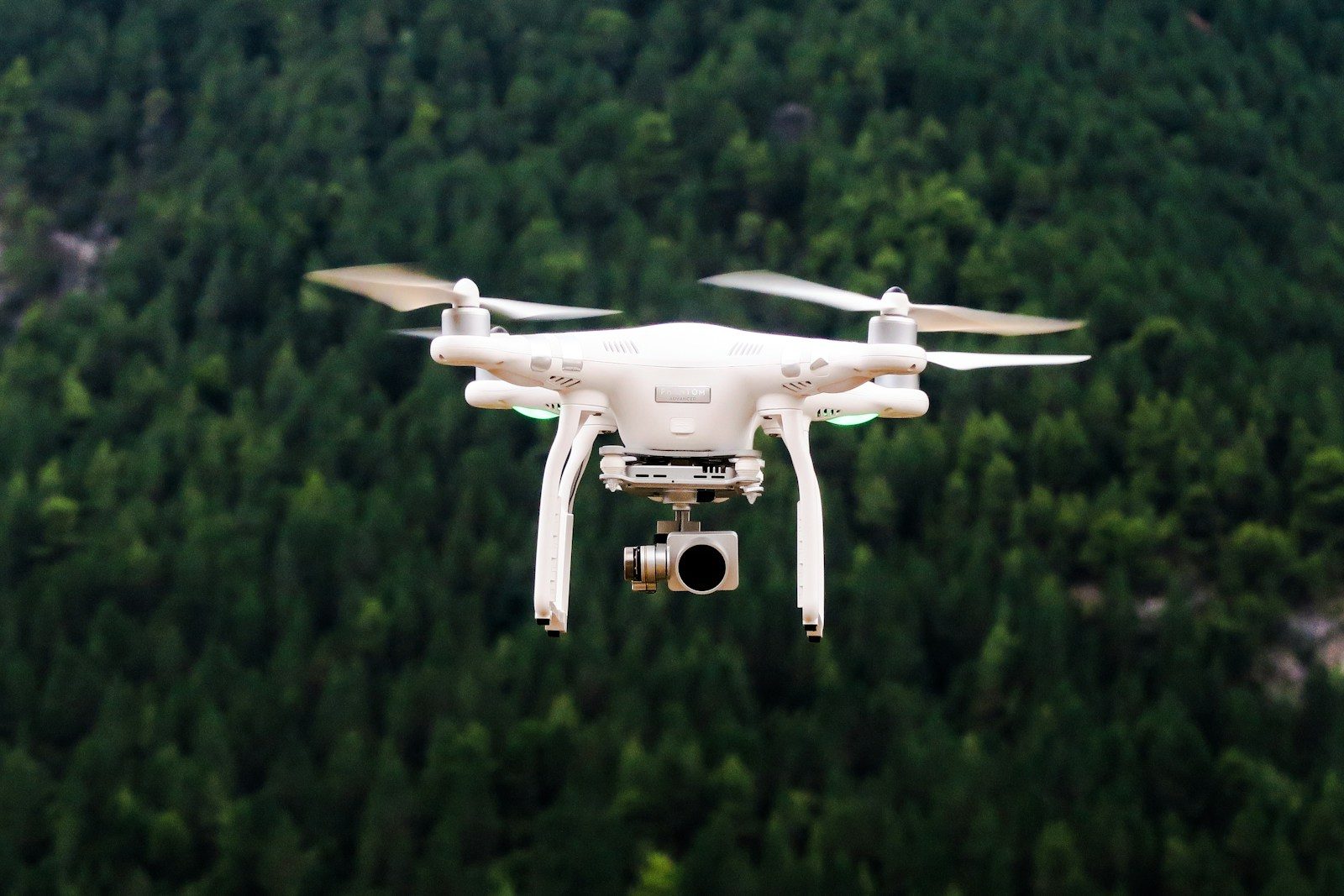
The Shenzhen government reported on 22 February 2026 that revenue in the Huaqiangbei electronics district rose 35% year on year during the Chinese New Year holiday season. Sales of AI smart glasses climbed 70-80% and drones and robots 30-50%, while more than 7,000 foreign buyers from 183 countries and regions visited.
Overview
On 22 February 2026, the Shenzhen government's English-language portal reported that revenue in Huaqiangbei, the city's electronics shopping district, rose 35% year on year during the Chinese New Year (Spring Festival) holiday season. According to local authorities, overall sales of technology products grew by more than 30% over the previous two months. Sales of AI-powered smart glasses jumped 70-80%, while drones and robots rose 30-50%. More than 7,000 foreign buyers from 183 countries and regions visited during the holiday, and daily footfall reached about 750,000 people.
Background
Known as "China's hardware Silicon Valley", Huaqiangbei has transformed from a wholesale hub for electronic components into a shopping district where consumers and overseas buyers purchase digital products. According to a Xinhua report on 15 February, high-tech items such as drones and AI glasses are replacing health supplements and traditional delicacies as Chinese New Year gifts this year. Smart glasses were added to the national consumer subsidy catalogue for the first time, and some models can be bought at around half price when trade-in and state subsidies are combined. Ministry of Commerce data show that January sales of subsidised home appliances and digital products exceeded 15 million units, generating nearly 59 billion yuan in revenue. Local governments allocated more than 2 billion yuan to consumption vouchers, subsidies and cash handouts during the holiday, and in Shenzhen retail stores, panoramic cameras from local company Insta360 were discounted by up to 1,400 yuan as manufacturers and retailers stepped up promotions. A Shenzhen salesperson described such products as tools for capturing and sharing moments, suitable both for family trips and as gifts.
Key Points
| Item | Details |
|---|---|
| Huaqiangbei revenue | Up 35% year on year during the holiday season |
| Technology products overall | Up more than 30% over the past two months |
| AI smart glasses | Up 70-80% |
| Drones and robots | Up 30-50% |
| Foreign buyers | More than 7,000 from 183 countries and regions |
| Daily footfall | About 750,000 people |
| Nearby hotels | Bookings up 35%, average occupancy 80%, share of foreign guests doubled |
| Global shipments | More than 3 million parcels a day |
- The growth follows efforts to promote "Guangdong goods" to buyers around the world.
- Travel data suggest Shenzhen is becoming an increasingly popular entry point for international tourists during the holiday.
Ahead of the holiday, 3D printing also drove a boom in festive gift production in Shenzhen. According to a Xinhua report on 16 February, a Shenzhen company running about 5,000 3D printers was flooded with orders for Year of the Horse ornaments and other good-luck decorations, including one order for 40,000 desktop ornaments to be delivered within a week. Because 3D printing needs no moulds, products can move from design to market very quickly, and the company plans to expand to 10,000 printers after the holiday. According to the National Bureau of Statistics, China's output of 3D printing equipment rose 52.5% in 2025, and the industry grew from 20.8 billion yuan to 70 billion yuan during the 14th Five-Year Plan period.
Implications for Japan-Shenzhen Exchange
For Japanese electronics makers, trading companies and start-up founders, Huaqiangbei has long been a place to experience Shenzhen's electronics industry and supply chain at first hand. The rapid spread of new products such as AI glasses, drones and robots in the consumer market is likely to offer useful reference points for Japanese companies tracking product planning and market trends.
The rise in foreign buyers and international visitors also shows that Shenzhen is increasingly not only a city that makes things but also a city where people come to source and experience products. Interest is growing in opportunities for Japanese study tours and business visits to learn about changes in Shenzhen's industries through such sites.
Outlook
Whether the expansion of consumer subsidies and new product launches will continue to support demand after the holiday is a point to watch. However, the reports did not indicate how long the subsidy policies will last or give a full-year outlook for Huaqiangbei's sales.
From the Association
The Association will continue to follow the latest developments in Shenzhen's consumer market and electronics industry. We will keep working to share information and provide opportunities for exchange that help people in Japan understand what is happening on the ground in Shenzhen.
Sources
- Shenzhen Government Online: Shenzhen's Huaqiangbei reports 35% revenue jump during Chinese New Year holiday season
- Shenzhen Government Online (Xinhua): Tech gadgets become new must-haves for Chinese New Year
- Shenzhen Government Online (Xinhua): 3D printing fuels a creative boom in Chinese New Year gifting
This article is based on publicly available information and is provided for reference only; accuracy and completeness are not guaranteed.