 Skip to main content


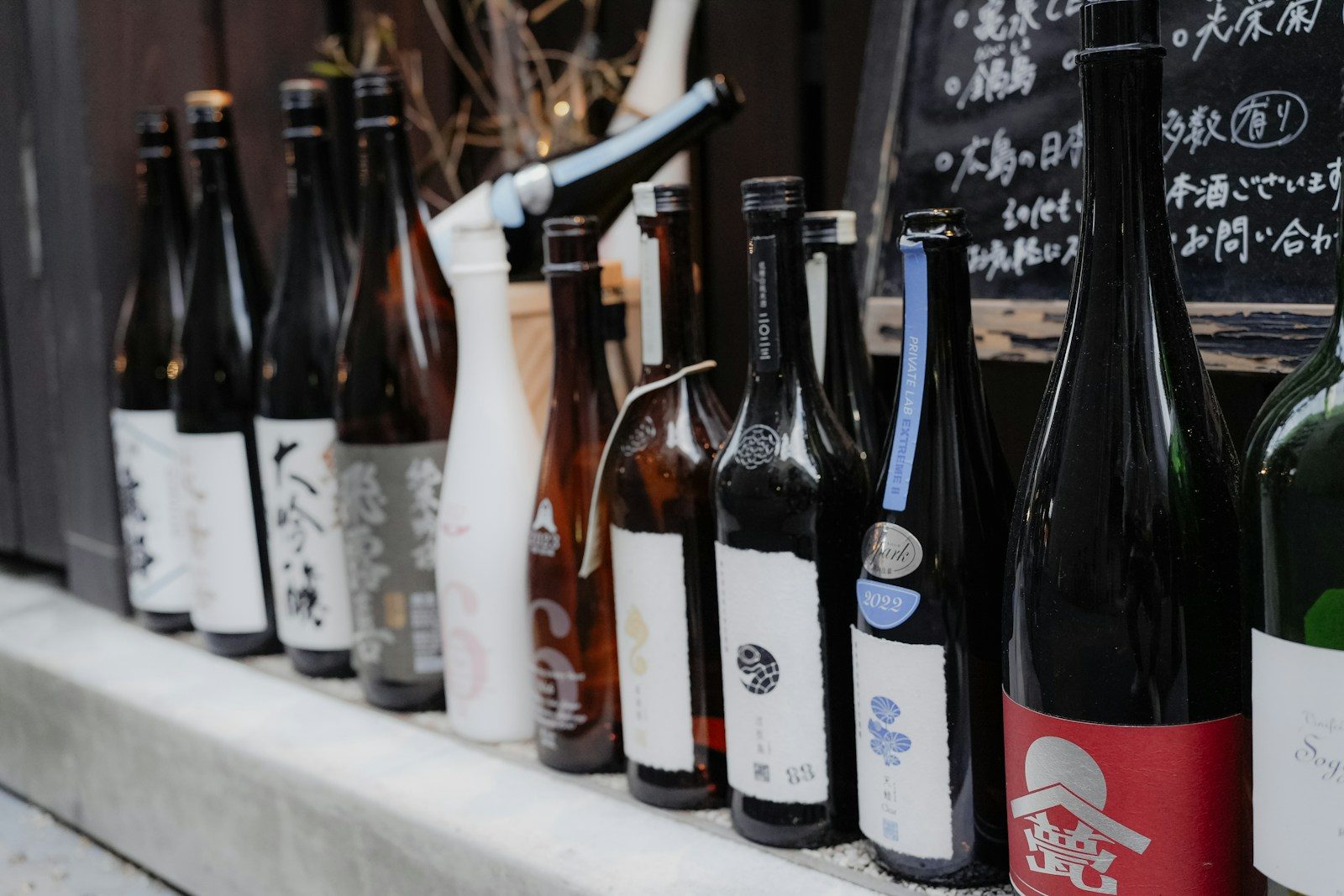
The 8th China International Import Expo opened in Shanghai on November 5. JETRO set up a 'JAPAN MALL' booth themed on discovering a new world through Japanese alcoholic beverages, presenting more than 270 products from 148 companies, about three times last year's number, amid signs of recovery in Japanese food and drink exports to China.
Overview
The 8th China International Import Expo (CIIE) opened on November 5, 2025, at the National Exhibition and Convention Center (Shanghai) in Qingpu District, Shanghai, and ran until November 10. Organized by China's Ministry of Commerce and the Shanghai Municipal People's Government, the expo covers agricultural products and food, automobiles, technology, consumer goods, medical devices, trade in services and innovation.
The Japan External Trade Organization (JETRO), the only Japanese body that coordinates Japanese companies' participation in the CIIE, took part for the eighth consecutive year since the first expo in 2018. This year it set up a "JAPAN MALL" booth of about 450 square meters in the food hall (Hall 8.1), themed on discovering a new world starting with alcoholic beverages. The booth presented more than 270 products and services from 148 companies, about three times the number of exhibitors in the previous year.
Background
According to JETRO, Japan's exports of agricultural, forestry and fishery products and food to China had been declining since 2022, but cumulative exports for January to August 2025 reached 116.6 billion yen, about 10% higher than a year earlier, showing signs of recovery. In 2024, China was the largest export destination for Japanese sake, shochu and awamori, and soft drinks.
The previous, 7th expo drew 3,496 companies from 152 countries, regions and international organizations, and about 852,000 visitors. The 8th edition reportedly brought together exhibitors from 155 countries, regions and international organizations.
Key Points
- Drinks and food area: Sake, shochu and awamori, whisky, plum wine and liqueurs, beer and wine were shown alongside snacks and other processed foods, with more than 120 items available for tasting. According to reports, about 190 of the items on display were sake.
- Stage program: Cooking demonstrations by Japanese food goodwill ambassadors, Okinawan sanshin performances, a seminar on Japanese flowers, and a demonstration by a Chinese chef pairing Japanese ingredients with sake.
- Local government area: The Japan National Tourism Organization (JNTO) and ten local governments (Hokkaido, Iwate, Yokohama, Ishikawa, Fukui, Aichi, Fukuoka, Miyazaki, Kagoshima and Okinawa) promoted local specialties and tourism.
- Year-round matchmaking: Buyers were directed to "China Japan Street," an online business-matching platform JETRO launched on WeChat in October 2022, for continued matchmaking after the expo. As of October 2025, the platform listed more than 1,300 Japanese companies, more than 9,000 products and more than 4,000 Chinese buyers.
According to local media, a representative of JETRO's Shanghai office said awareness of sake is growing in China and consumer tastes are diversifying, and that proposing products suited to those tastes is the key challenge. The report noted that Japan's sake exports to China exceed 11 billion yen but remain small compared with the market for Chinese baijiu, and that interest is rising among young people, especially women.
Significance for Japan-Shenzhen Exchange
Although the CIIE is held in Shanghai, it attracts buyers and importers from across China, including South China, and is likely to give distributors and retailers from Shenzhen and the rest of Guangdong a chance to discover Japanese products. Shenzhen is a hub for cross-border e-commerce and new retail formats, and attention is turning to whether combining the expo with online matchmaking could widen the routes through which small and medium-sized Japanese food and beverage makers reach consumers in South China.
Outlook
JETRO says it will continue to support Japanese companies in China after the expo through online matchmaking and promotions aimed at Chinese restaurants. Final results such as the value of deals concluded through this year's participation have yet to be published.
From the Association
Introducing Japanese food and drink culture to Chinese consumers is meaningful not only economically but also for cultural exchange. The Association will continue to follow related developments and to provide a platform where Japanese and Shenzhen companies can meet and exchange information.
This article is based on publicly available information and is provided for reference only; accuracy and completeness are not guaranteed.