 Skip to main content


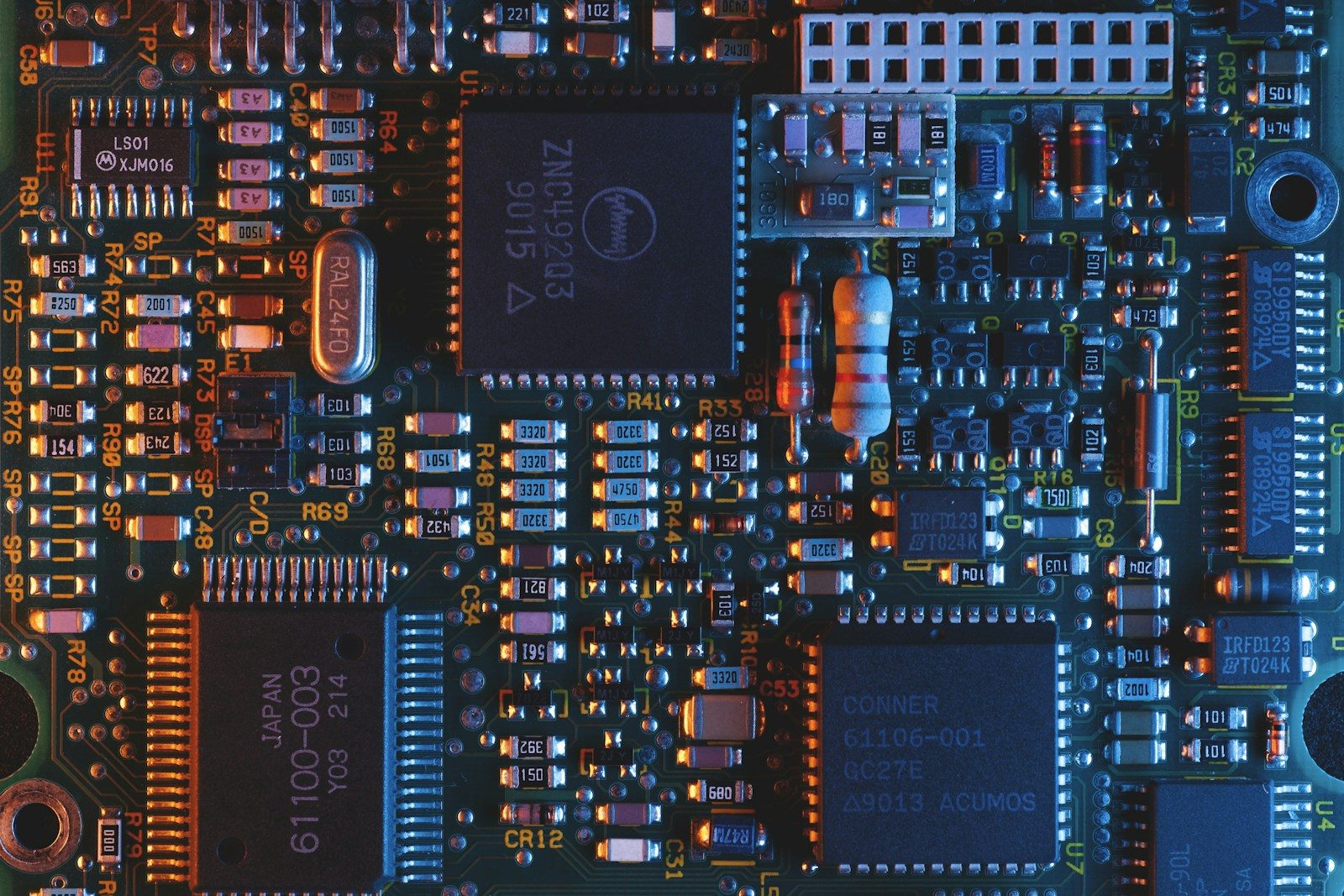
The 26th China International Optoelectronic Exposition (CIOE 2025) was held at the Shenzhen World Exhibition and Convention Center from September 10 to 12, 2025. It covered 240,000 square meters, drew 3,827 exhibitors and welcomed 143,645 professional visitors, up 18%, with seven national and regional pavilions including one from Japan.
Overview
The 26th China International Optoelectronic Exposition (CIOE 2025) was held for three days, from September 10 to 12, 2025, at the Shenzhen World Exhibition and Convention Center in Bao'an District, Shenzhen. According to the organizer's post-show report, the exhibition covered 240,000 square meters and brought together 3,827 exhibitors from 33 countries and regions. It welcomed 143,645 professional visitors, up 18% from 121,458 the previous year, including 6,108 overseas visitors from 97 countries and regions. Seven national and regional pavilions were set up, representing the United States, Canada, Japan, South Korea, Germany, Denmark and Switzerland, and Japanese companies including Kyocera took part as exhibitors.
Background
CIOE is a comprehensive annual exhibition in Shenzhen covering optoelectronics fields such as optical communications, optics, lasers and displays, and this year marked its 26th edition. With the expansion of data centers and the spread of generative AI driving global demand for high-speed optical communication components, optoelectronics has become a field attracting attention alongside semiconductors. Shenzhen, known for its concentration of electronics manufacturing and supply chains, is an important venue for business talks among component and equipment makers. This year, CIOE was co-located for the first time with the Shenzhen International Semiconductor and IC Exhibition (SEMI-e 2025), highlighting the integration of the optoelectronics and semiconductor industries.
Key Points
- Scale: 240,000 square meters of exhibition space, 3,827 exhibitors and 6,750 brands, including 2,378 overseas brands.
- Visitors: 143,645 professional visitors (up 18%), total attendance of 284,124, 955 delegations and 6,108 overseas visitors.
- Eight key sectors: information and communications, precision optics, laser and intelligent manufacturing, infrared, intelligent sensing, displays, AR/VR and photonics innovation.
- Theme pavilions: ten pavilions, including automotive optical communication, endoscopic imaging, telescopes and astronomical equipment, humanoid robots and medical lasers.
- Concurrent events: 90 conferences and activities.
Among Japanese exhibitors, Kyocera presented packages for optical communications and light-source sensing at its booth in Hall 12. According to media reports, it showcased high-speed packages supporting mass production at 64 GBaud, packages for 128 GBaud and above, multilayer aluminum nitride (AlN) substrates for coherent connections between data centers, and LTCC substrates for silicon photonics, and also reported technical progress on packages with characteristics in the 120 GHz range. The organizer's report also listed Japan among the featured visitor countries.
Implications for Japan-Shenzhen Exchange
In high-speed optical communications and sensing, Japanese companies have strengths in materials and precision components, while South China, including Shenzhen, is home to many manufacturers of optical modules and equipment. Japanese component makers presenting new products at a Shenzhen exhibition appear to be using such events to broaden contacts with local customers. For Shenzhen companies, the exhibition also offers a chance to see Japanese materials and component technologies firsthand. Against the backdrop of growing demand related to AI and data centers, attention is turning to possible cooperation between Japanese and Shenzhen companies in areas such as component supply and joint development. In addition, because CIOE was co-located with a semiconductor exhibition for the first time, the event likely offered Japanese materials and equipment makers active in both optoelectronics and semiconductors a chance to reach a broader range of customers in a single visit. As the division of labor along supply chains in both places becomes more specialized, exhibitions of this kind may play a growing role in matching suppliers with buyers and in tracking shifts in market demand.
Outlook
The organizer plans to hold the next edition in Shenzhen again, and its report indicates that most exhibitors intend to return. How the scale of Japanese participation will develop in future editions is not yet clear.
From the Association
International exhibitions held in Shenzhen are valuable opportunities for Japanese and Shenzhen companies to meet directly. The Association will continue to follow such industrial exchanges and to work on creating opportunities for companies from both places to share information and explore possibilities for cooperation.
This article is based on publicly available information and is provided for reference only; accuracy and completeness are not guaranteed.