 Skip to main content


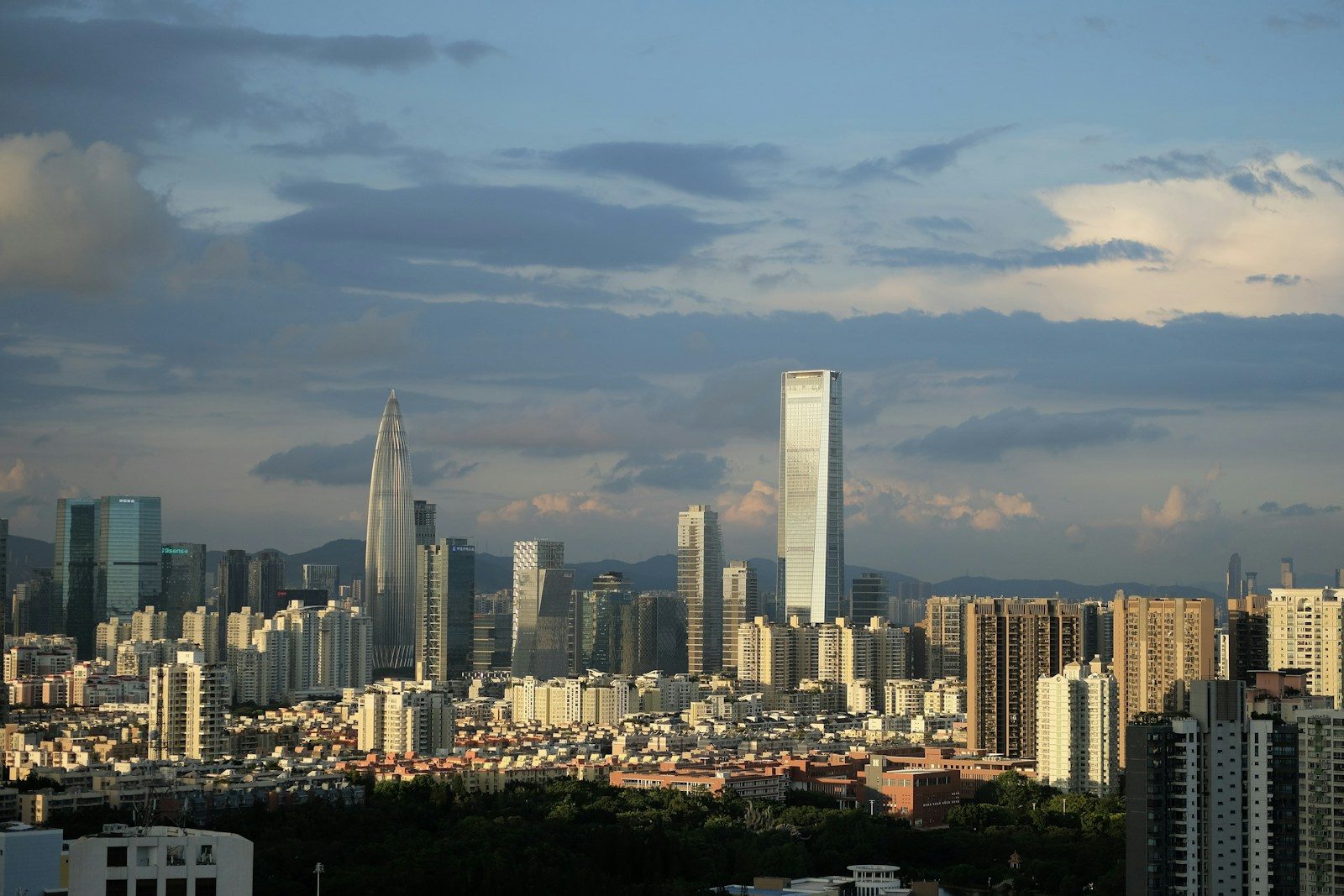
The Shenzhen Special Economic Zone marked its 45th anniversary on August 26, 2025. Its GDP has grown more than 10,000-fold, from RMB270 million in 1980 to over RMB3.68 trillion in 2024, and a new round of reform and opening-up is under way following June guidelines on deepening Shenzhen's comprehensive reform pilot.
Overview
On August 26, 2025, the Shenzhen Special Economic Zone (SEZ) marked the 45th anniversary of its establishment. On August 26, 1980, the Standing Committee of the Fifth National People's Congress approved the creation of special economic zones in Shenzhen, Zhuhai and Shantou in Guangdong Province and Xiamen in Fujian Province. According to figures compiled by Southern Finance, Shenzhen's gross domestic product grew from RMB270 million in 1980 to more than RMB3.68 trillion in 2024, an increase of over 10,000 times. In a commentary, Xinhua noted that Shenzhen has produced more than 1,000 "national firsts" and nurtured globally influential innovative companies such as Huawei and Tencent. For the evening of the anniversary, the city scheduled a drone light show, with Civic Square and Talent Park as the main viewing sites and advance reservations for spectators.
Background
As a "testing ground" for China's reform and opening-up, Shenzhen was a pioneer in building market economy institutions. Xinhua cited reforms such as the registration-based IPO system for the ChiNext board, market-based allocation of data as a factor of production, and international ship registration. In 2020, Shenzhen launched an implementation plan for a comprehensive reform pilot covering 2020 to 2025; according to People's Daily, the first list of authorized items contained 40 measures. Over the past five years, 48 Shenzhen practices have been promoted nationwide in three batches. On June 10, 2025, the General Offices of the CPC Central Committee and the State Council issued guidelines on deepening Shenzhen's comprehensive reform pilot and expanding high-standard opening-up.
Key Points
People's Daily highlighted the following measures in the June guidelines:
- Capital markets: Support for Hong Kong-listed companies issuing depositary receipts on the Shenzhen Stock Exchange, and for eligible Greater Bay Area companies listed in Hong Kong and registered on the mainland to list in Shenzhen.
- Research results: Exploring a negative-list approach under which researchers may be granted ownership of, or long-term use rights of at least 10 years to, job-related scientific and technological achievements.
- Digital trade: Allowing electronic trade documents such as electronic bills of lading and electronic letters of credit, and exploring mortgage financing based on electronic bills of lading.
- Digital RMB: Expanding use cases and studying cross-border applications of central bank digital currency.
- Talent: Supporting joint training of technical talent by universities and companies.
People's Daily also noted that Shenzhen's gross industrial output and industrial value added for enterprises above designated size have ranked first among Chinese cities for three consecutive years. Shenzhen has also enacted SEZ regulations in areas including the promotion of the AI industry, intelligent connected vehicles, data and the low-altitude economy. According to Shenzhen Customs, the city's total imports and exports for January to July 2025 were RMB2.58 trillion, flat year on year, keeping Shenzhen first among mainland Chinese cities. Trade with Hong Kong, Macao and Taiwan, the EU, South Korea, Japan and other major markets totaled RMB1.22 trillion, up 10%.
Implications for Japan-Shenzhen Exchange
According to the Shenzhen authorities, 1,171 Japanese-invested companies were operating in Shenzhen as of August 2025. Reforms such as closer capital market links, better use of research results and the digitalization of trade documents are likely to be watched closely by Japanese companies operating in Shenzhen and by those considering partnerships with Shenzhen firms, as they could change the business environment. In particular, wider use of electronic trade documents may help streamline trade procedures with Japan, a possibility that is drawing interest. Shenzhen's 45-year development path may also offer Japanese companies and research institutions useful insight into the city's role as an innovation hub.
Outlook
The year 2025 is the final year of China's 14th Five-Year Plan and a key period for preparing the 15th. Xinhua pointed to cross-border data flows, intellectual property protection and international arbitration rules as future priorities for reform. The specific timing and detailed rules for implementing the measures in the June guidelines remain to be announced.
From the Association
The 45 years of the Shenzhen SEZ have coincided with the steady deepening of economic exchange between Japan and Shenzhen. The Association will continue to follow Shenzhen's reform and opening-up and to provide a platform where companies and people from Japan and Shenzhen can interact and build mutual understanding.
Sources
This article is based on publicly available information and is provided for reference only; accuracy and completeness are not guaranteed.