 Skip to main content


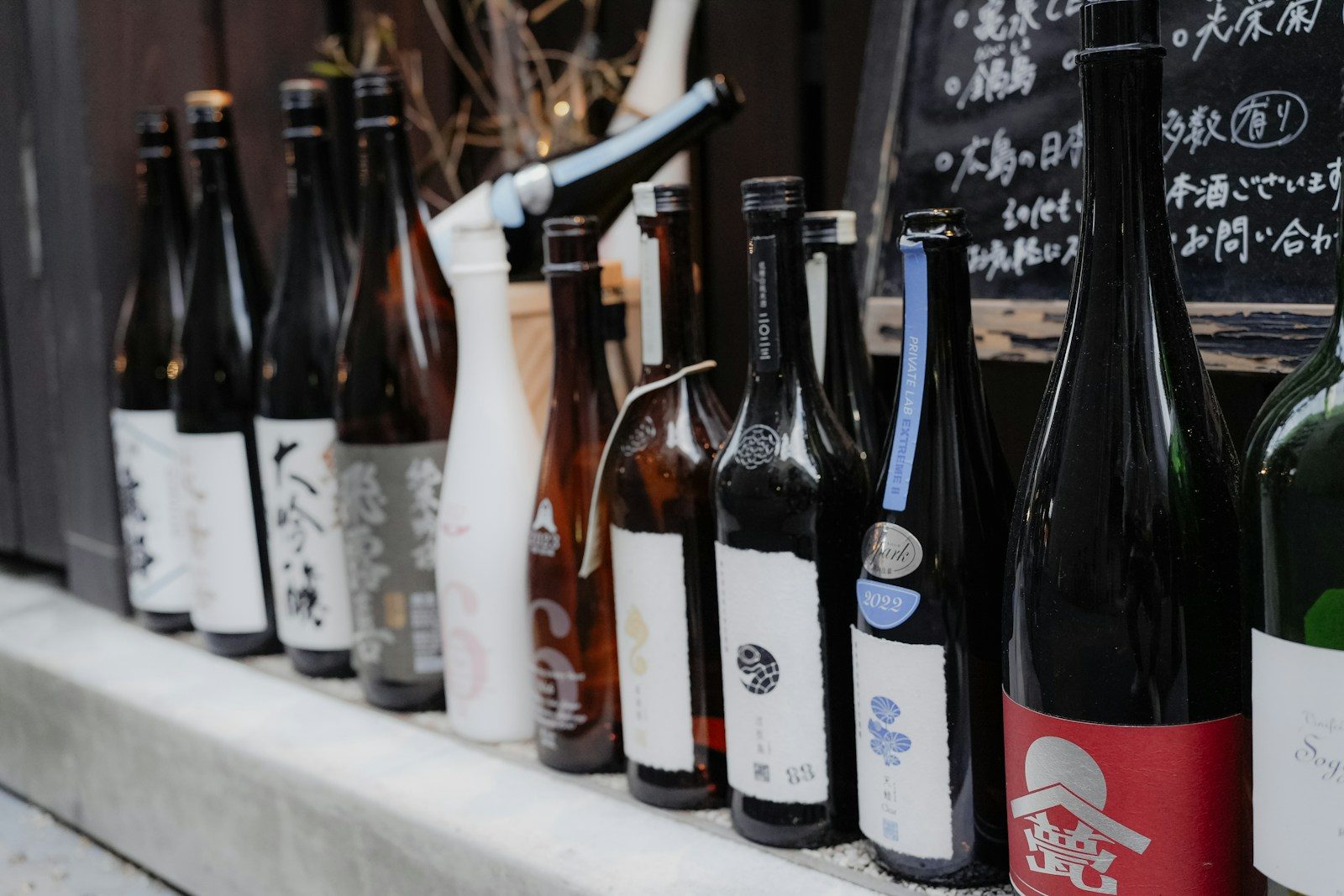
On August 7, 2025, JETRO and Japan's National Tax Agency held a business meeting for Japanese alcoholic beverages in Shenzhen. Forty-six exhibitors presented 546 brands of sake, shochu, umeshu and whisky to 278 buyers, mainly from South China, as part of efforts to open new sales channels in the Greater Bay Area.
Overview
On August 7, 2025, the Japan External Trade Organization (JETRO) held a business meeting for Japanese alcoholic beverages in Shenzhen, Guangdong Province. The event was co-hosted with Japan's National Tax Agency and organized as part of JETRO's Japanese Food Global Gateway project. A total of 46 exhibitors, including sake breweries, import wholesalers and agents, presented 546 brands of sake, shochu, umeshu (plum liqueur) and whisky. According to a report JETRO published on August 20, the meeting attracted 278 buyers, mainly from South China, including wholesalers, restaurant operators, retailers and e-commerce professionals.
Background
Shenzhen is one of China's leading economic centers and an important consumer market for imported food and beverages in South China. As a core city of the Guangdong-Hong Kong-Macao Greater Bay Area, it also benefits from well-developed logistics and distribution networks. Japanese alcoholic beverages have gained recognition in the Chinese market, helped in part by the spread of Japanese restaurants, but sales have tended to be concentrated in certain business formats and channels, and finding new trading partners has remained a challenge. The Shenzhen meeting was designed to promote Japanese alcoholic beverages and to open new sales channels in South China by bringing together Japanese suppliers and buyers from a wide range of business types in a single venue.
Key Points
- Date and venue: August 7, 2025, Shenzhen, Guangdong Province
- Organizer: JETRO, co-hosted with the National Tax Agency, under the Japanese Food Global Gateway project
- Exhibitors: 46 companies, including breweries, import wholesalers and agents
- Products: 546 brands of sake, shochu, umeshu, whisky and more
- Visitors: 278 buyers, mainly from South China (wholesale, restaurants, retail, e-commerce)
- Program: one-on-one business meetings with tastings, plus special seminars
In addition to tasting-based one-on-one negotiations, the event featured special seminars. At its own booth, JETRO introduced Japan Street (JS), an online catalog of Japanese products, and China Japan Street (CJS), an online matching service that connects Chinese buyers with Japanese companies, and distributed flyers to visiting buyers.
Participants responded positively, according to the report. One buyer who had mainly handled wine and whisky said interest in sake had recently been growing and that the company would like to start by trying online sales. Exhibitors noted that many buyers attended, that negotiations could be conducted efficiently even in short time slots, and that the quality of the buyers was high.
Implications for Japan-Shenzhen Exchange
For small and medium-sized Japanese breweries, which often find it difficult to reach local trading partners on their own, the meeting appears to have offered a direct link to buyers in South China. The presence of e-commerce operators among the visitors may also reflect a characteristic of Shenzhen's consumer market, where online sales are widespread. For Shenzhen's importers and distributors, meanwhile, the event provided an opportunity to compare a wide variety of brands in one place, and attention is turning to whether this could help them differentiate their product ranges. Some observers also note that exchange through food and drink goes beyond business, giving people in both places an opportunity to experience each other's culture and deepen mutual understanding.
Outlook
JETRO has said it will continue its efforts to expand exports of Japanese alcoholic beverages, including market development in the Greater Bay Area and stronger outreach to buyers. Specific plans, such as the date and scale of the next event, have not been announced. One point to watch is how far the negotiations at this meeting translate into actual transactions and ongoing imports.
From the Association
Food culture is one of the most familiar bridges between Shenzhen and Japan. The Association will continue to follow such business and exchange activities and will keep working to provide opportunities for companies and people from Shenzhen and Japan to meet and deepen mutual understanding.
Sources
This article is based on publicly available information and is provided for reference only; accuracy and completeness are not guaranteed.