 Skip to main content


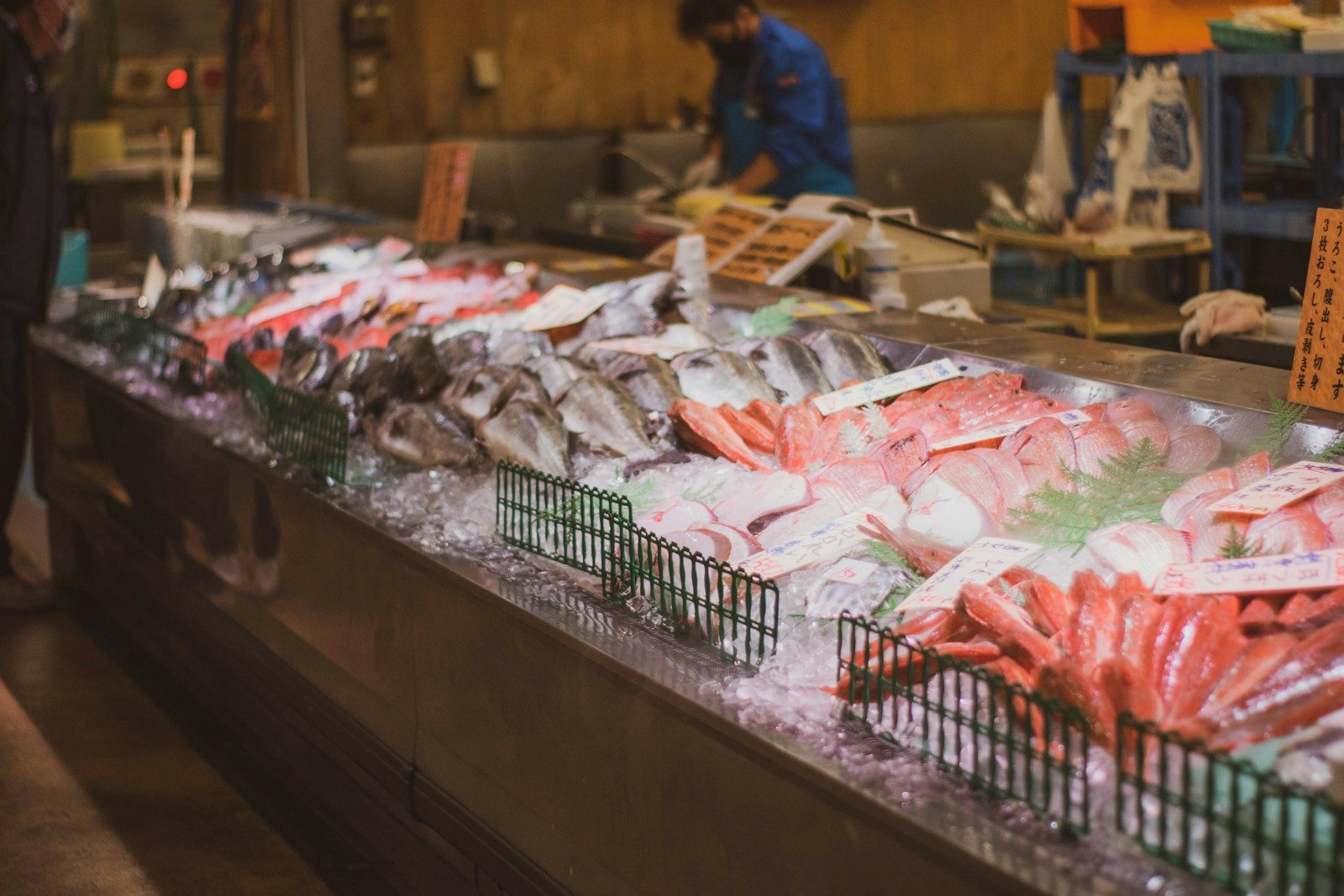
On June 29, 2025, China's General Administration of Customs announced the conditional resumption of seafood imports from parts of Japan. Products from 10 prefectures, including Fukushima and Tokyo, remain excluded, and Japanese exporters must re-register and provide certificates. The move partially lifts a suspension in place since August 2023.
Overview
Late on June 29, 2025, China's General Administration of Customs (GACC) issued its Announcement No. 140 of 2025 on the conditional resumption of aquatic product imports from certain regions of Japan. Seafood originating from Japanese prefectures other than ten excluded areas, including Fukushima and Tokyo, may again be exported to China with immediate effect. The GACC cited two reasons: continuous sampling and testing related to the discharge of treated water from the Fukushima Daiichi nuclear power plant had shown no abnormalities, and the Japanese government had committed to ensuring the quality and safety of aquatic products exported to China.
Background
On August 24, 2023, after Japan began releasing treated water from the Fukushima Daiichi plant into the sea, China suspended all imports of seafood originating in Japan. China had previously been reported to be a main buyer of Japanese fishery products, and the suspension weighed heavily on Japan's fisheries sector and exporters. The new announcement partially lifts a ban that had lasted nearly two years.
Hong Kong has separately banned aquatic products from ten higher-risk areas since August 24, 2023: Tokyo, Fukushima, Chiba, Tochigi, Ibaraki, Gunma, Miyagi, Niigata, Nagano and Saitama. Responding to media enquiries on June 30, the Hong Kong SAR Government said it had asked Japanese authorities for updated information and scientific evidence, would use this to assess whether conditions existed to relax its precautionary measures, and would make a public announcement if its policy changed.
Key Points
- Excluded areas: Products from Fukushima, Gunma, Tochigi, Ibaraki, Miyagi, Niigata, Nagano, Saitama, Tokyo and Chiba remain suspended.
- Re-registration: Japanese seafood producers registered before the suspension must reapply under China's registration rules for overseas food manufacturers; only products made after registration may be exported.
- Aquaculture and packaging: Farms and packaging facilities for edible aquatic animals must also complete registration.
- Documentation: Each shipment must carry an official Japanese health certificate, proof of passing radioactivity testing, and a certificate of origin showing that the product does not come from the ten excluded prefectures.
- Supervision: China said it would act promptly if non-compliance is found and could reinstate restrictions.
According to media reports, the Japanese government welcomed the decision and said it would continue to call for the lifting of restrictions on products from the remaining ten prefectures.
Implications for Japan–Shenzhen Exchange
South China, including Shenzhen, is a consumer market with a large number of Japanese restaurants and Japanese retail and food-service chains. The resumption of imports is expected to widen sourcing options for restaurants and distributors handling Japanese ingredients such as scallops and yellowtail. At the same time, actual shipments require company-by-company re-registration and new documentation, so a full recovery of trade is widely expected to take some time.
Because a considerable share of food distribution in South China passes through Hong Kong, attention is also on how Hong Kong's measures evolve. For Japanese producing regions and processors, the change may offer an opportunity to rebuild relationships with importers and restaurant groups in Shenzhen and the wider region, and observers are watching whether business exchange between the two sides in the food sector becomes more active again.
For Japanese-affiliated restaurants and retailers operating in Shenzhen, adjustments to sourcing channels, import procedures and the communication of product origin information may become practical issues to manage. Shenzhen-based import traders will likewise need to familiarize themselves with the new registration and documentation requirements in order to do business in compliance with the rules.
Outlook
It is not yet clear how quickly re-registration applications from Japanese companies will be processed, or when the treatment of the ten excluded prefectures might change. Hong Kong has said it will assess the information provided by Japan, but has not given a timetable.
From the Association
The Association will continue to follow developments in Japan–China economic exchange, including in the food and distribution sectors. We remain committed to providing information and a platform for exchange between companies and people in Shenzhen and Japan.
Sources
This article is based on publicly available information and is provided for reference only; accuracy and completeness are not guaranteed.