 Skip to main content


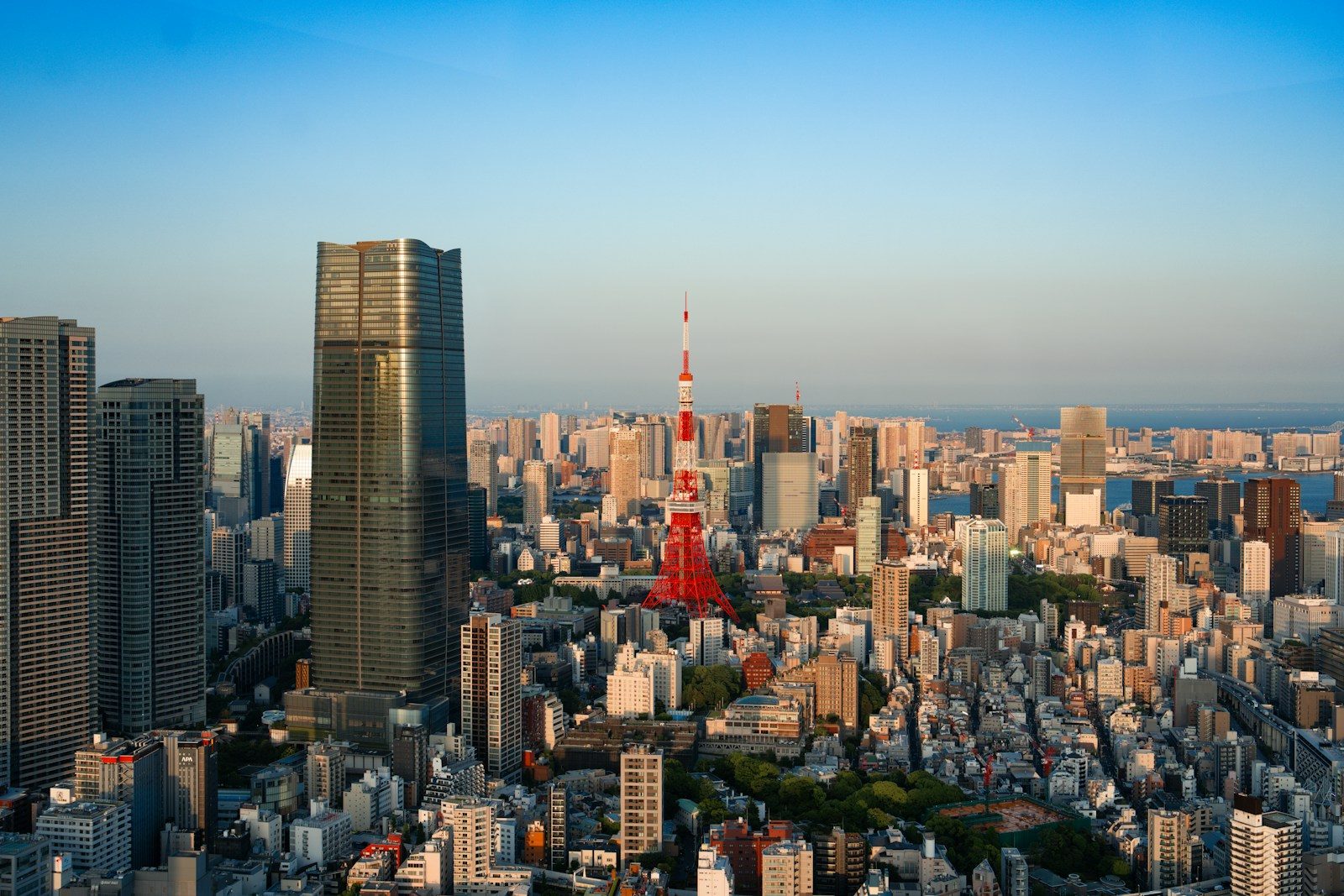
On March 22, 2025, the sixth Japan-China High-Level Economic Dialogue was held in Tokyo, co-chaired by Japanese Foreign Minister Takeshi Iwaya and Chinese Foreign Minister Wang Yi. It was the first such meeting in about six years, and the two sides discussed cooperation in healthcare and elderly care, tourism and people-to-people exchange linked to Expo 2025 Osaka, Kansai, and the business environment.
Overview
On the afternoon of Saturday, March 22, 2025, the sixth Japan-China High-Level Economic Dialogue was held in Tokyo. It was co-chaired by Japanese Foreign Minister Takeshi Iwaya and Wang Yi, member of the Political Bureau of the Communist Party of China Central Committee and Minister of Foreign Affairs, and lasted about two hours and 45 minutes. It was the first meeting of the dialogue since April 2019, about six years earlier.
According to Japan's Ministry of Land, Infrastructure, Transport and Tourism (MLIT), the agenda covered four items: macroeconomic policy; economic cooperation under the "mutually beneficial relationship based on common strategic interests"; trade, investment and the business environment; and regional and multilateral cooperation. MLIT was represented by Senior Vice Minister Furukawa.
Background
The High-Level Economic Dialogue is a ministerial framework for economic consultations, hosted by the two countries in turn. There had been a long gap since the previous meeting, but since 2024 the leaders and foreign ministers of both countries have reaffirmed their commitment to the mutually beneficial strategic relationship, so the resumption of the economic dialogue attracted attention. Japan and China are major trading partners, and many Japanese companies operate in South China, including Shenzhen.
Key Points
Based on media reports and government releases, the main outcomes were:
- Economic and environmental cooperation: The two sides welcomed the Japan-China Energy Conservation and Environment Forum held in November 2024, agreed to hold the next forum in Beijing within the year, and confirmed cooperation on GREEN×EXPO 2027, the international horticultural exposition in Yokohama.
- Healthcare and third-country cooperation: To address ageing populations and low birth rates, they agreed to strengthen cooperation in medical care, nursing care and healthcare, and to promote business cooperation between Japanese and Chinese companies in third countries.
- People-to-people exchange and tourism: They agreed to expand exchanges, including tourism, using Expo 2025 Osaka, Kansai as an opportunity, and to cooperate on the WorldSkills competitions in Shanghai (2026) and Aichi (2028). MLIT's Furukawa proposed promoting tourism exchange.
- Agricultural and marine products: Japan asked for an early resumption of imports of Japanese seafood, and China said it would discuss resumption if additional monitoring results showed no problems. The two sides also discussed resuming and expanding imports of Japanese beef and rice.
- Business environment: Japan called for a fair and transparent business environment and raised concerns including export controls on critical minerals and data regulations. Both sides agreed to continue their export control dialogue, make use of a business environment working group and strengthen intellectual property protection. Japan also raised the safety of its nationals in China.
- Regional and multilateral cooperation: They confirmed cooperation on biodiversity, climate change and plastic pollution, and welcomed mutual support for each other's APEC host years (China in 2026, Japan in 2031).
What It Means for Japan–Shenzhen Exchange
The agreement to expand tourism and people-to-people exchange is seen as supportive of more air links between Shenzhen and Japan and more business and leisure travel. Use of the business environment working group and stronger intellectual property protection are also likely to be of high interest to Japanese companies based in South China.
Healthcare and elderly care is a field where both sides have strengths, from Shenzhen's medical device makers to Japan's care industry, and attention is turning to whether concrete cooperation follows.
Reports indicated that the two sides also had frank exchanges on issues where their positions differ, and some observers see value in the continuation of the dialogue framework itself. For the business community, regular intergovernmental dialogue is regarded as one factor that makes the business environment more predictable. For Japanese companies operating in South China, including Shenzhen, and for Chinese companies expanding into Japan, open channels of communication between the two governments on economic matters help them follow policy developments and reduce uncertainty.
Outlook
The two sides agreed to hold the seventh dialogue in China, but no date has been announced. Progress on individual issues, including the resumption of seafood imports, will depend on further consultations.
From the Association
The Association will continue to follow Japan-China economic dialogue and share relevant information with our members. We will keep working to provide opportunities that support exchange between companies and people in Shenzhen and Japan.
This article is based on publicly available information and is provided for reference only; accuracy and completeness are not guaranteed.