 Skip to main content


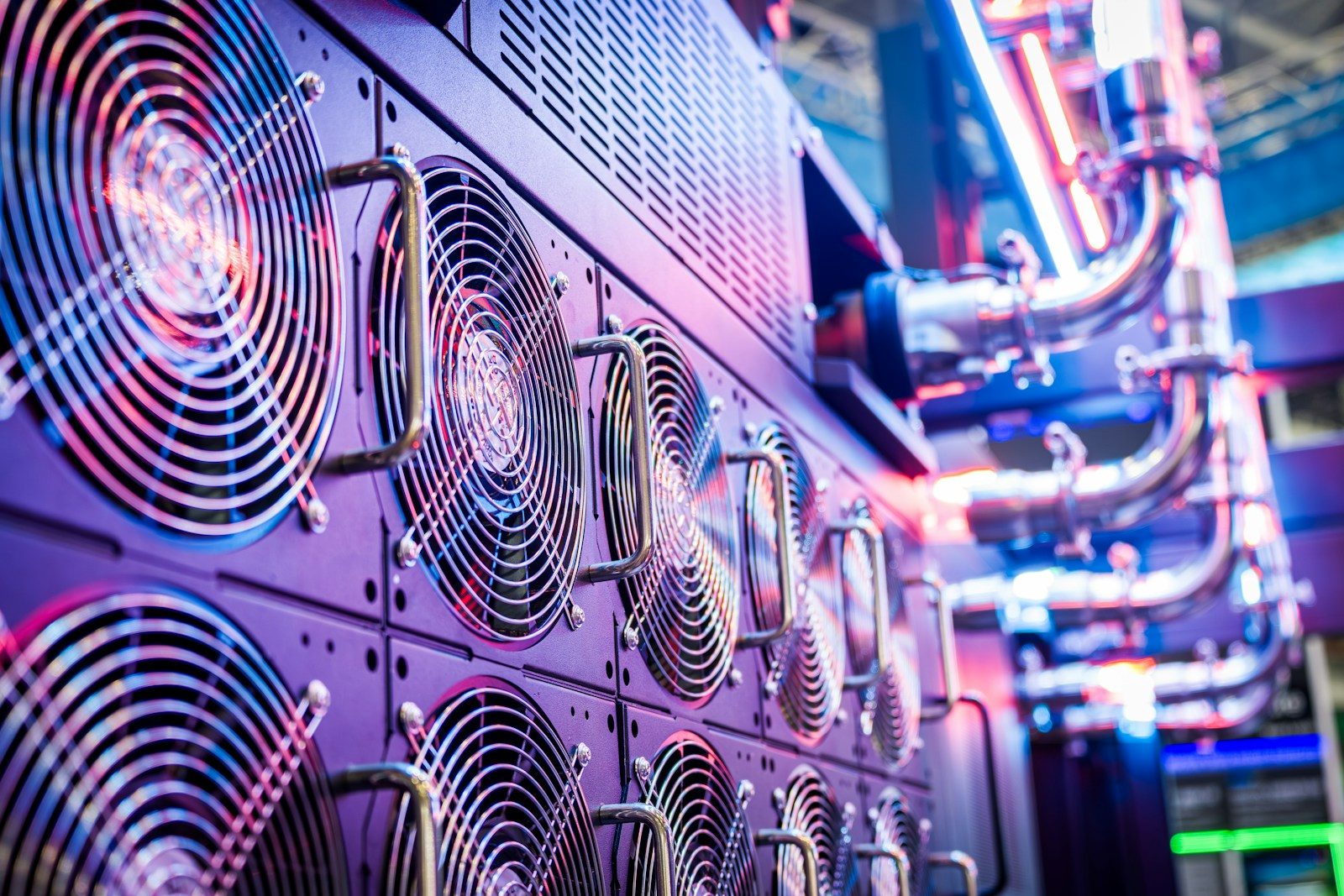
On February 1, 2025, Huawei Cloud, the cloud unit of Shenzhen-based Huawei, and AI firm SiliconFlow jointly launched DeepSeek-R1 and V3 inference services running on Huawei's Ascend cloud. Fellow Shenzhen company Tencent Cloud announced one-click DeepSeek-R1 deployment the next day.
Overview
On February 1, 2025, Huawei Cloud, the cloud computing unit of Shenzhen-headquartered Huawei Technologies, and Beijing-based AI infrastructure company SiliconFlow jointly launched inference services for DeepSeek-R1 and DeepSeek-V3, the large language models released by Chinese AI company DeepSeek. The services run on Huawei Cloud's Ascend cloud service, which uses Huawei's own Ascend AI chips. Cailian Press reported the launch the same day, citing Huawei Cloud's official account.
Background
DeepSeek released its R1 reasoning model as open source in January 2025, drawing wide attention from developers and businesses in China and abroad. A surge in users at times made the company's own service unstable, increasing demand among businesses and developers for reliable inference capacity. Against this backdrop, China's major cloud providers announced support for DeepSeek models one after another.
DeepSeek-R1 is reported to have been trained on Nvidia H800 GPUs, so the launch drew attention as an example of domestic chips handling the inference stage. Outside China, Nvidia, Amazon and Microsoft also announced support for DeepSeek-R1 on January 31. Within China, platforms offered limited-time free access or discounted pricing to encourage developers to try the models; Baidu AI Cloud's Qianfan platform, for example, offered two weeks of free service.
Key Points
- Domestic chips: SiliconFlow said that, through its own inference acceleration engine and joint work with Huawei, DeepSeek models deployed on the Ascend cloud achieved results equivalent to deployments on high-end global GPUs. This is the company's own claim; no independent benchmark has been published.
- API access: The full R1 and V3 models were redeployed and offered to businesses and developers through an API, which can also be combined with local clients to build personal knowledge bases.
- Shenzhen companies move quickly: According to media reports, Tencent Cloud, the cloud arm of fellow Shenzhen-based Tencent, enabled one-click deployment of DeepSeek-R1 on its HAI platform on February 2, and on February 4 added one-click deployment of the full DeepSeek model family on its TI platform.
- Industry-wide trend: In early February, Baidu AI Cloud, Alibaba Cloud and others also announced support, and on February 4 Huawei Ascend and Luchen Technology jointly released DeepSeek-R1 inference APIs based on Ascend computing power.
Shenzhen treats artificial intelligence as a priority industry. According to Xinhua, the city's AI industry was worth 360 billion yuan at the end of 2024, up about 35%, with more than 2,800 AI companies. Besides Huawei and Tencent, many other AI firms are based in Shenzhen, and applications are spreading across cloud services, smart devices and robotics. The city has also published four batches of "city + AI" application scenario lists covering nearly 200 scenarios.
Combining large models with cloud platforms lowers the barrier for small and medium-sized companies to use advanced AI. This trend supports the digital transformation of Shenzhen's manufacturing and service sectors and offers new topics for technical exchange with overseas companies.
What It Means for Japan–Shenzhen Exchange
The speed with which Shenzhen technology leaders such as Huawei and Tencent integrated an open-source model into their cloud platforms appears to illustrate the responsiveness of Shenzhen's AI ecosystem. In particular, building inference infrastructure on domestic chips is drawing attention as a way to widen the range of AI computing options available in China.
Generative AI is also being adopted more widely in Japanese business, and there is interest in how Japanese companies' operations in China and their Shenzhen partners will make use of such cloud services. Practical issues in cross-border AI use, such as data handling and compliance with different countries' regulations, are likely to remain under discussion.
Outlook
Pricing, performance and terms of use on each cloud platform may continue to change. How widely inference services based on domestic chips will be adopted remains to be seen as usage data accumulates.
From the Association
Developments in AI and other advanced technologies are of shared interest to companies in Shenzhen and Japan. The Association will continue to follow trends in technology and industry and to provide a platform for exchange between the two regions.
Sources
This article is based on publicly available information and is provided for reference only; accuracy and completeness are not guaranteed.