 Skip to main content


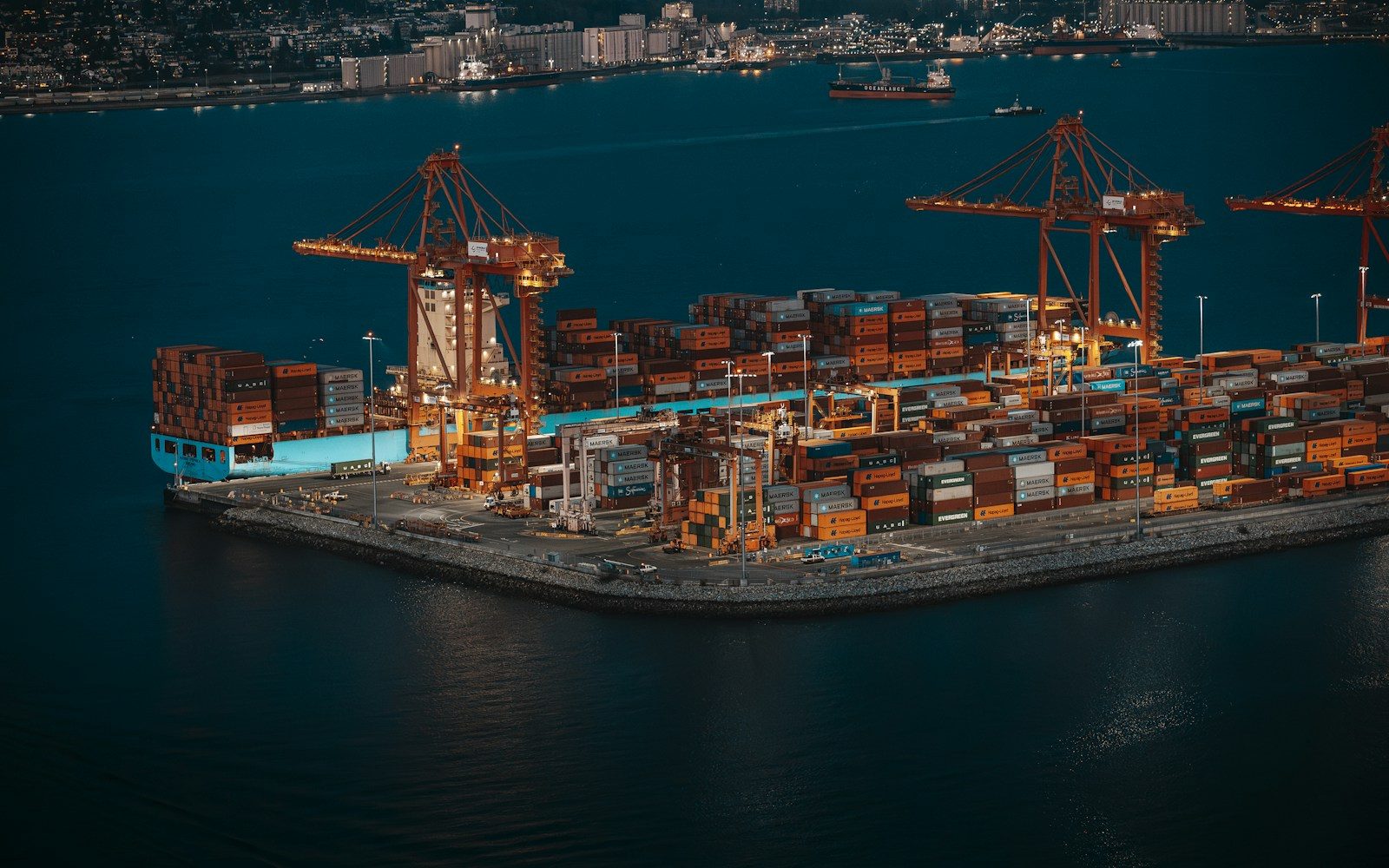
Shenzhen Customs said on January 17, 2025 that the city's total imports and exports reached 4.5 trillion yuan in 2024, up 16.4% and above 4 trillion yuan for the first time. Shenzhen regained first place among mainland Chinese cities for foreign trade after nine years, while its exports of 2.81 trillion yuan led the country for a 32nd consecutive year.
Overview
On January 17, 2025, Shenzhen Customs released the city's goods trade figures for 2024. Total imports and exports reached 4.5 trillion yuan (about 4,504.8 billion yuan), up 16.4% year on year and above the 4-trillion-yuan mark for the first time. With this result, Shenzhen returned to first place among mainland Chinese cities for foreign trade after nine years. Exports totalled about 2.81 trillion yuan (up 14.6%) and imports about 1.69 trillion yuan (up 19.6%), both record highs. Shenzhen's exports have now led all Chinese cities for 32 consecutive years.
Background
Shenzhen grew as a gateway for China's reform and opening-up and is well known as an export hub centred on electronics. Trade grew strongly throughout 2024; by the end of November, cumulative imports and exports had already reached 4.11 trillion yuan, up 17.4%. During the year the city introduced a 24-point package to stabilise foreign trade and a list of priority tasks, working with customs and other agencies to support companies with clearance and financing.
According to figures from the Shenzhen Statistics Bureau released shortly afterwards, general trade grew 19.2% in 2024 and its share of total trade rose to 54.9%.
Shenzhen's performance stands out against the national picture. China's total goods trade in January–November 2024 was 39.79 trillion yuan, up 4.9%, well below Shenzhen's growth rate. By trade mode, bonded logistics trade grew 26.4% to 1.04 trillion yuan in the first eleven months, alongside the rise in general trade. Among exports, traditional products such as phones, computers and home appliances continued to grow, with home appliance exports up 21.5%, while exports of computer parts and integrated circuits rose 25% and 20% respectively.
Key Points
| Item | 2024 | Year on year |
|---|---|---|
| Total trade | approx. 4.50 trillion yuan | +16.4% |
| Exports | approx. 2.81 trillion yuan | +14.6% |
| Imports | approx. 1.69 trillion yuan | +19.6% |
Customs data for January–November 2024 point to the following features:
- Private enterprises accounted for 2.89 trillion yuan of trade (up 26.4%), about 70% of the total; foreign-invested enterprises accounted for 1.02 trillion yuan, roughly a quarter.
- The leading partners were ASEAN (684 billion yuan, up 24%), Hong Kong and the United States. Trade with other RCEP members totalled 1.14 trillion yuan, up 22.2%.
- Mechanical and electrical products dominated exports, and electric vehicle exports rose 42% to 27.97 billion yuan. Electronic components such as integrated circuits made up a large share of imports.
- More than 150,000 cross-border e-commerce exporters are based in Shenzhen, making e-commerce a new source of growth.
Logistics capacity has also expanded. As of October 2024, the Port of Shenzhen operated 265 international container liner routes; the number of international and regional cargo destinations from Shenzhen Airport has continued to grow; and the "Bay Area" China–Europe rail service had 19 export routes. The China (Shenzhen) International Trade Single Window had more than 170,000 registered companies as of January 2025, reflecting the digitalisation of customs procedures. These diverse channels support Shenzhen companies' ambition to "buy from the world and sell to the world."
What It Means for Japan–Shenzhen Exchange
Japan is a member of RCEP and is closely linked with Shenzhen's supply chains in electronic components and manufacturing equipment. Because electronic components and semiconductor-related products make up a large share of Shenzhen's imports, the city is likely to remain an important trading partner and business base for Japanese companies.
At the same time, growth in newer export categories such as electric vehicles and cross-border e-commerce is widening opportunities for Shenzhen companies to reach overseas markets, including Japan. Together with improving logistics networks, the diversification of two-way trade is attracting attention.
At the company level, private enterprises have become the main drivers of Shenzhen's trade, while foreign-invested enterprises still account for about a quarter. How foreign companies, including Japanese firms, continue to make use of Shenzhen's supply chain strengths is also worth watching.
Outlook
Trade in 2025 will be shaped by the global economy and by the trade policies of various countries, so uncertainties remain. What further trade support measures Shenzhen introduces will be watched closely.
From the Association
Shenzhen's trade performance is one of the key indicators for understanding economic ties between Japan and Shenzhen. The Association will continue to share relevant information and to provide a platform for business exchange between the two regions.
Sources
This article is based on publicly available information and is provided for reference only; accuracy and completeness are not guaranteed.